Sailboat buying and ownership
Questions to Ask a Sailboat Surveyor Before Buying
Practical guidance on questions to ask a sailboat surveyor before buying, including costs, safety, inspections and ownership decisions. Consider the specific boat, crew, conditions and applicable requirements before making decisions.
Experience with the design
Ask about experience with the hull material, keel, rig and systems on the model you are considering.
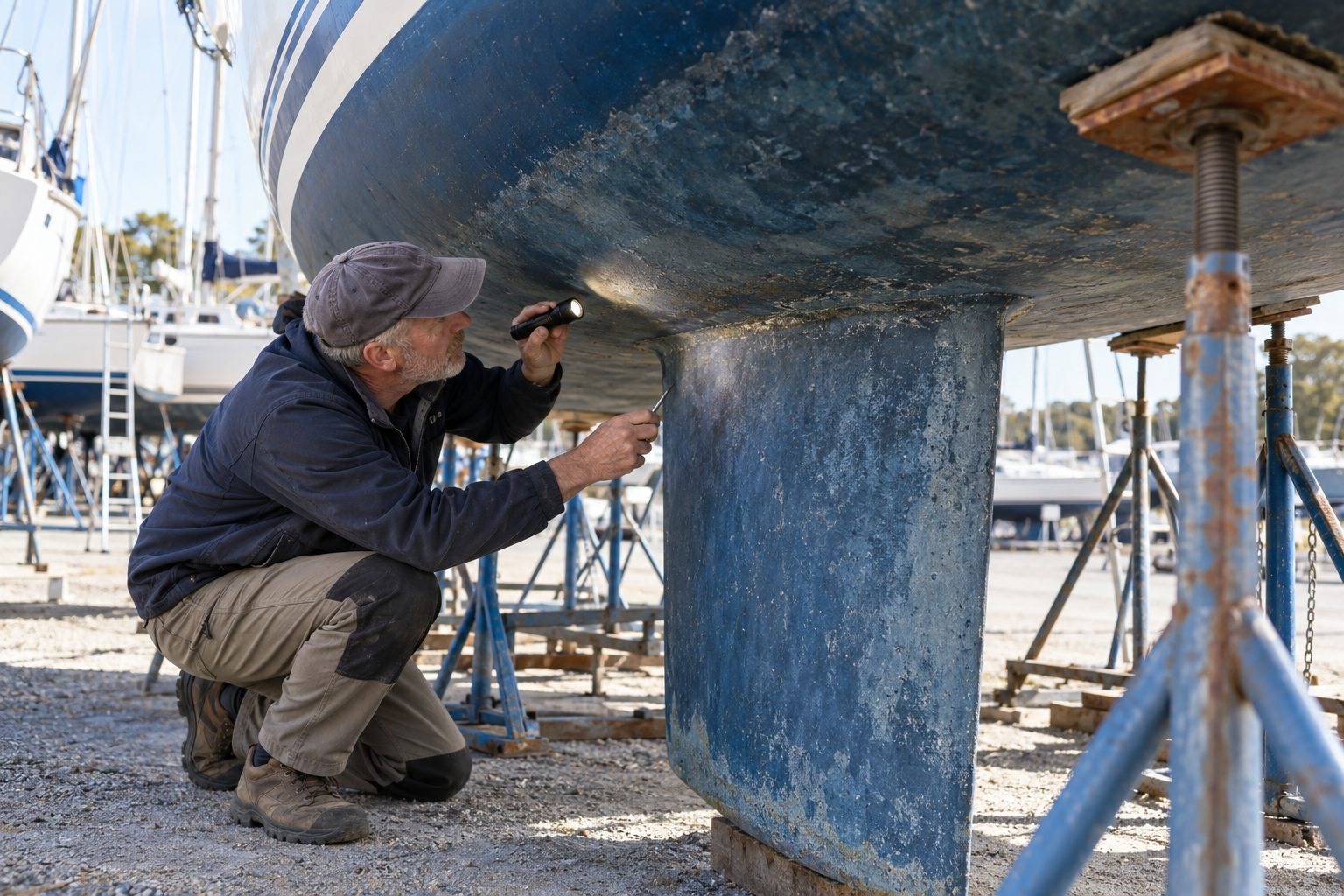
Scope and exclusions
Confirm which structural and mechanical areas will be inspected and what remains inaccessible.
Haul-out and sea trial
Clarify whether the survey includes an out-of-water examination, rig inspection or engine evaluation.
Written findings
Request a written report identifying significant defects, safety concerns and recommended follow-up.
Using the report
Use findings with repair estimates, insurance requirements and purchase contingencies to make an informed decision.
DETAILED GUIDE · 4 MIN READ
Questions to Ask a Sailboat Surveyor: decisions, examples and a working checklist
The most useful questions before a sailboat survey establish who is inspecting what, which access is needed and how unresolved findings will be handled. Ask about relevant experience, deliverables and exclusions before comparing prices. A clear agreement helps prevent a buyer from assuming that a general survey includes every specialist test or every hidden area.
Ask about experience with this boat and construction
Describe the actual vessel, including material, rig, propulsion and major modifications. Ask the surveyor about experience relevant to those features and the type of purchase assessment you need. Membership or a familiar title can help you begin a search, but the conversation should still establish suitability for the particular assignment.
Explain your intended use without asking the surveyor to endorse an undefined dream voyage. A weekend coastal plan and a proposed extended passage may lead to different follow-up questions. Ask how their report distinguishes observed condition from recommendations about preparation. Keep the requested professional assessment separate from a general discussion of whether you like the model.
Clarify what the quoted service includes
Ask whether the proposal includes an ashore inspection, operation underway, machinery observations and a written report. Then ask what it excludes. Rigging aloft, specialist engine tests, dismantling and concealed areas should not be assumed to be covered simply because the quote uses the word comprehensive. Request a scope you can refer to later.
Discuss who arranges the yard, competent operation and any additional technicians. Confirm what information the surveyor needs in advance and how weather or access problems affect the appointment. A lower survey price may describe a narrower service rather than equivalent work at a better rate. Compare the deliverables before comparing the totals.
Ask how findings and unknowns will be reported
Request an explanation of the report's categories and how urgent concerns are communicated. Ask whether photographs identify locations and whether inaccessible or untested equipment is listed explicitly. You should be able to distinguish a clean observation from an item that was not examined. Silence about a component is not the same as a positive assessment.
Ask what happens when further investigation is recommended. Who defines the next step, who performs it and what evidence resolves the concern? If a repair estimate is supplied, clarify its basis and limitations. A survey recommendation and a contractor's final quote are different documents with different purposes.
Plan the report review before the decision deadline
Find out the expected delivery time and whether a follow-up discussion is included. Arrange enough time to read the report and obtain necessary clarification. Keep a separate list of transaction deadlines to discuss with the person advising on your agreement. Do not assume an appointment date guarantees that all technical questions will be resolved that day.
For example, an inaccessible steering component may require another visit after access is arranged. Ask how that limitation will appear in the report and how additional work is priced. This is more productive than demanding a yes-or-no verdict on equipment the surveyor has not seen. Your questions should make the scope and remaining uncertainty easier to understand.
Your working checklist
Use these prompts in your viewing notes or boat notebook. Record unanswered questions as well as confirmed observations.
- Describe construction, modifications and intended use accurately.
- Ask about experience relevant to the actual vessel.
- Request written scope, exclusions and deliverables.
- Confirm yard, operator and specialist coordination.
- Ask how untested areas and further investigations are documented.
- Allow time for report delivery, review and follow-up.
Frequently asked questions
Should I choose the cheapest survey quote?
Compare scope, relevant experience, access arrangements and deliverables first. Different quotes may cover different work. The useful choice is a suitable independent assessment with clear limitations, not simply the lowest fee or the longest list of reassuring adjectives.
What is the most important question after receiving the report?
Ask which significant questions remain unresolved and what would resolve them. Then distinguish those unknowns from confirmed defects and routine recommendations. That discussion helps you decide what additional assessment or cost information is needed before moving ahead.
Further reading and source context
These references support terminology and general research methods. Use the exact boat’s documents for specifications and operating instructions; manufacturer examples do not apply to every model.