Sailboat buying and ownership
Underwater Hull Cleaning: Frequency, Safety and Costs
Practical guidance on underwater hull cleaning frequency, safety and costs, including costs, safety, inspections and ownership decisions. Consider the specific boat, crew, conditions and applicable requirements before making decisions.
Why growth matters
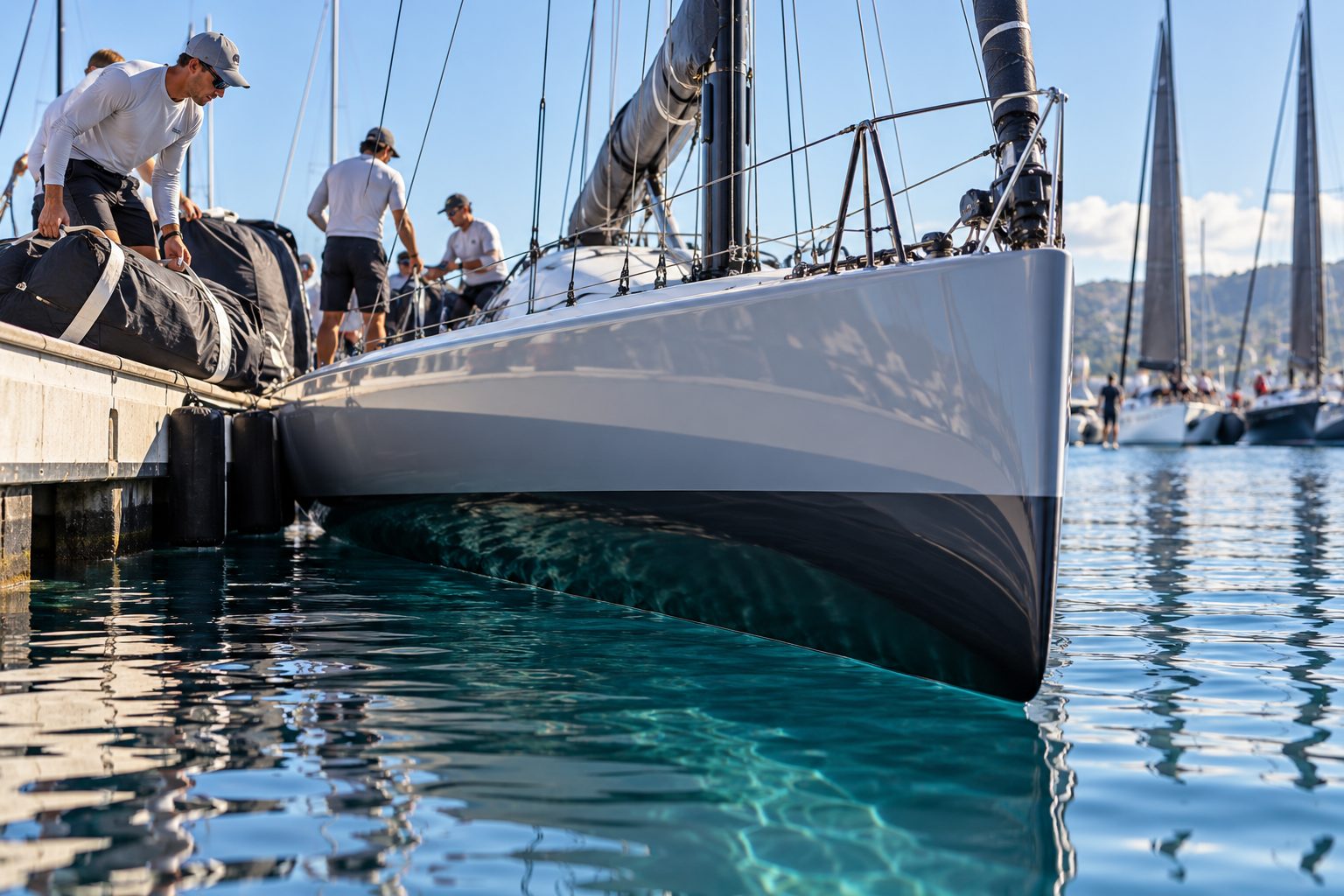
Marine growth increases drag and can reduce speed and fuel efficiency.

Cleaning frequency
Fouling rates vary with water temperature, nutrients, season and coating type; inspect rather than using a universal interval.
Coating compatibility
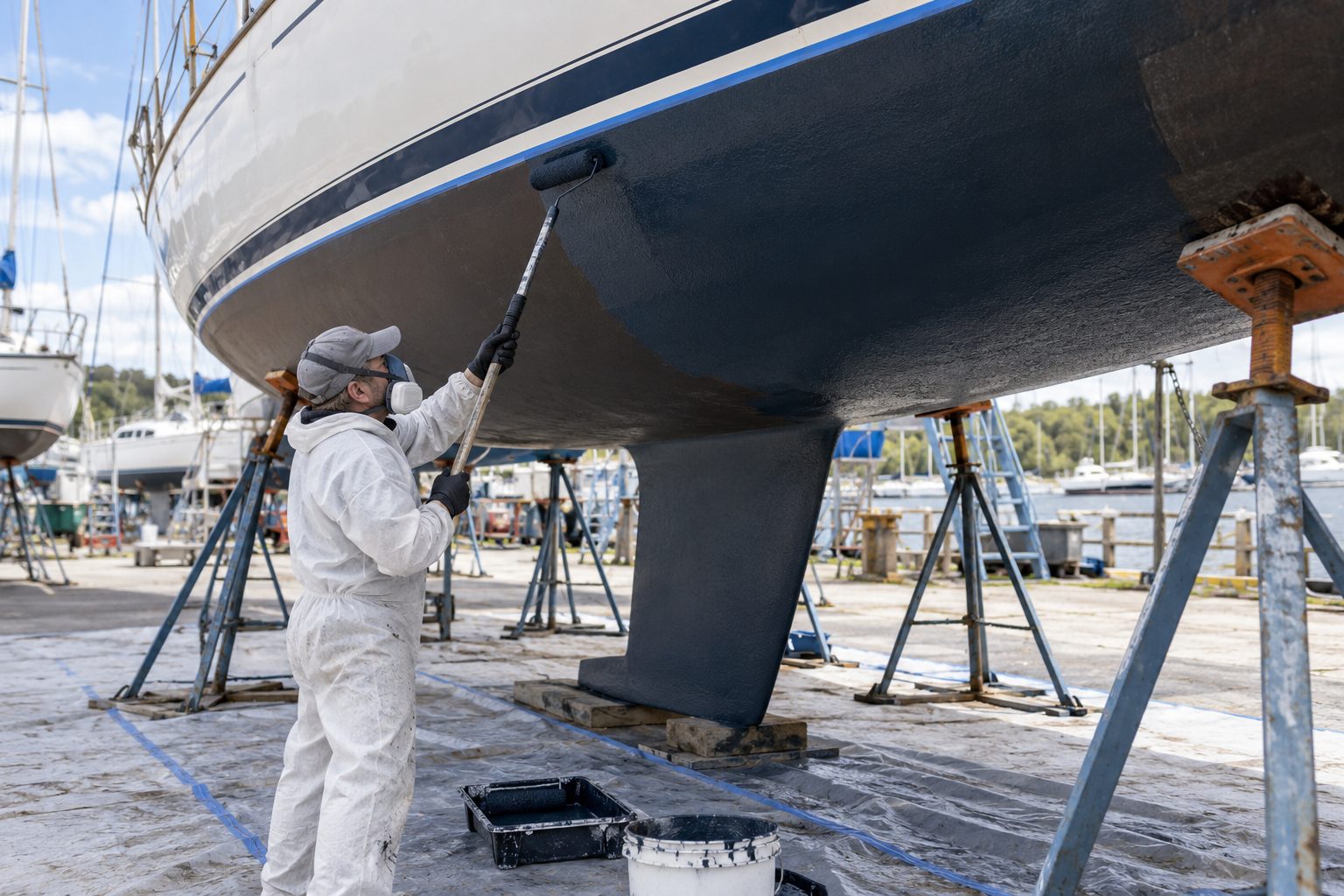
Abrasive cleaning can damage some antifouling coatings. Follow product and local environmental guidance.
Diver safety
Use trained, properly equipped divers and comply with marina and local rules; propellers and electrical systems create hazards.
When to haul out
A haul-out may be needed for coating failures, damage or inaccessible underwater fittings.
DETAILED GUIDE · 4 MIN READ
Underwater Hull Cleaning: decisions, examples and a working checklist
Underwater hull cleaning should be planned around the coating, fouling condition, local requirements and a qualified service provider. It is not a substitute for a haulout survey or a repair. Confirm whether cleaning is appropriate and permitted at the location, then define the work and how propulsion and other hazards will be controlled before anyone enters the water.
Identify the surface and the problem
Record coating product, application date and available maintenance instructions. Ask whether the observed fouling is a routine surface issue or whether damage, coating failure or another concern needs an ashore assessment. Provide recent photographs where available, but do not assume a photograph establishes the condition of every underwater surface.
Different coatings and underwater components may require different care. Include the hull, propeller, drive, transducers and any other requested items separately in the inquiry. A general request to clean everything can conceal important compatibility questions. Ask the provider which surfaces they can appropriately service and which need another specialist or a haulout.
Confirm location and environmental requirements
Contact the marina, harbor authority or relevant local service provider to establish current rules for in-water work. Ask about coating restrictions, fouling removal, capture requirements and permitted methods where applicable. Do not assume a cleaning practice allowed at the previous port is allowed at the next one.
IMO biofouling guidance treats in-water cleaning as an activity with environmental and operational considerations. Use the applicable local requirements for the actual location rather than interpreting general guidance as permission to proceed. Keep the agreed method in the work order so the provider and owner share the same understanding before the appointment.
Arrange a professional work and communication plan
Use a provider qualified for the work and discuss their procedures, experience with the coating and required boat preparations. The owner and provider need an agreed method to prevent operation of propulsion, thrusters and other hazardous equipment during the job. Follow the provider's professional procedures and the equipment instructions; this guide is not a recreational diving or isolation procedure.
Clarify who is aboard, who can authorize changes and how the provider communicates unexpected findings. Do not start equipment because the scheduled finish time has passed. Establish positive confirmation that people and equipment are clear before any restart under the agreed process. Schedule around vessel movements and other activity at the site.
Use the report as maintenance evidence
Request a dated account of the areas cleaned, surfaces not accessed and concerns observed. Photographs or video can help locate a problem but should be labeled with context. An observation of a loose-looking fitting or damaged coating needs appropriate follow-up, not an assumption that cleaning has repaired it.
Log the interval, operating conditions and subsequent performance so future cleaning is based on evidence. If fouling returns unusually quickly, review coating suitability and maintenance with the supplier instead of simply increasing the aggressiveness of cleaning. Keep a separate haulout and inspection plan; a clean underwater surface does not establish the condition of hidden structure or inaccessible components.
Your working checklist
Use these prompts in your viewing notes or boat notebook. Record unanswered questions as well as confirmed observations.
- Identify coating and component-specific care requirements.
- Confirm that in-water work is appropriate for the concern.
- Check current marina and local environmental requirements.
- Use a qualified provider and an agreed hazard-control process.
- Request photographs and a report of limitations or findings.
- Keep cleaning records separate from surveys and repairs.
Frequently asked questions
Can underwater cleaning replace a haulout?
It may address permitted routine fouling work, but it does not provide the same access or scope as an ashore assessment. Ask the surveyor or service provider which questions remain unresolved. Do not treat cleaning photographs as a complete underwater survey.
Should I scrub harder when growth is difficult to remove?
Do not improvise a more aggressive method. Confirm coating instructions, environmental requirements and the provider's assessment. Difficult fouling or suspected surface damage may require a different plan, including hauling the boat rather than continuing in-water work.
Further reading and source context
These references support terminology and general research methods. Use the exact boat’s documents for specifications and operating instructions; manufacturer examples do not apply to every model.