Sailboat buying guide
How to Negotiate the Price of a Used Sailboat
Practical guidance on how to negotiate the price of a used sailboat, including costs, inspections and decisions for sailboat buyers. Compare the specific vessel, its documented condition and its suitability for your intended use.
Research comparable listings
Compare similar models and years, adjusting for location, equipment and condition. Asking prices do not establish completed sale values.

Understand condition
Estimate the cost and urgency of identified defects with written quotes, not guesses.
Make a clear offer
Use a written offer with a realistic deadline, inventory and appropriate contingencies.
Handle survey findings
Survey findings may support renegotiation, repair requests or withdrawal if your contract allows.
Close professionally
Keep communication factual, verify ownership and follow the agreement's deposit and closing procedures.
DETAILED GUIDE · 4 MIN READ
How to Negotiate a Used Sailboat Price: decisions, examples and a working checklist
A useful sailboat negotiation connects the proposed price to the actual boat, documented condition, included equipment and transaction terms. Start with evidence and a complete ownership budget. Avoid assuming every listing is overpriced or every inspection finding entitles you to a matching discount; the result depends on the parties and the agreement.
Prepare a comparison you can explain
Build a small comparison set of genuinely relevant boats, noting model, year, location, condition and equipment differences. Mark asking prices as asking prices, not completed-sale evidence. Record dates and currencies so that old or distant listings do not appear directly comparable without explanation. If reliable sold information is unavailable, say so in your worksheet.
Identify differences that materially affect your intended use. A documented machinery replacement, missing sails or difficult relocation may deserve a separate adjustment question. Do not assign arbitrary values to every accessory in a listing. Ask whether the equipment is useful, serviceable and included before treating it as value you would otherwise need to purchase.
Separate condition findings from personal preferences
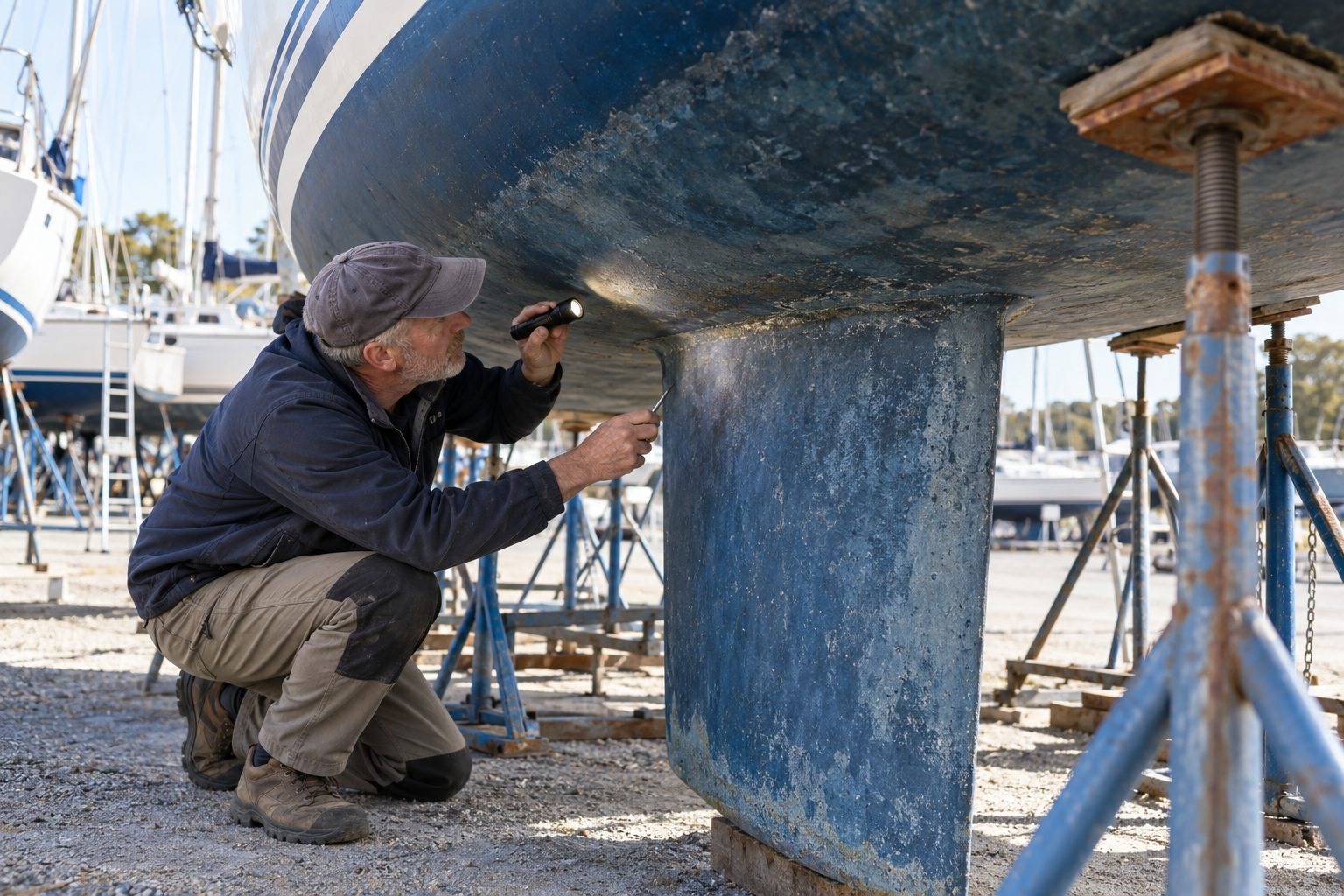
Create a list of confirmed defects, unresolved concerns and desired upgrades. Use the survey and specialist reports to support the first two categories. A preference for different instruments is not the same as a failed installed instrument. This distinction makes the proposal clearer and avoids presenting your entire wish list as undisclosed damage.
Obtain estimates with appropriate scope. A parts price from an online shop does not include access, labor or completion checks, while an ambitious upgrade quote may exceed what is needed to address a defect. Ask the contractor to distinguish repair, replacement and improvement so the amount you discuss has a defensible basis.
Make the proposal specific and reviewable
State the proposed price, relevant findings and the treatment of included equipment or work. Use clear written communication through the agreed channel. If the seller offers to complete repairs, clarify the scope, who performs them, documentation and how completion would be assessed. A lower price and seller-completed work create different responsibilities after the transaction.
Any changes must be considered within the actual agreement and applicable requirements. Ask the professional handling the transaction about deadlines, acceptance and documentation rather than assuming an informal conversation changes signed terms. California State Parks notes that findings do not guarantee bargaining room; a seller may decline changes even when the buyer has sound reasons for requesting them.
Keep the ownership decision separate from winning the price
Compare the proposed outcome with your total budget and ability to manage the boat. An illustrative reduction of 5,000 does not make a project affordable if confirmed work and unresolved scope still exceed your available resources. That number is an example, not a suggested discount or market norm.
Before accepting, review what uncertainty remains and whether it can be resolved. Decide what conditions would make you pause or walk away, using your needs rather than pressure to secure a deal. A successful negotiation leaves you with a boat and obligations you understand; achieving a large percentage reduction is not by itself evidence of a good purchase.
Your working checklist
Use these prompts in your viewing notes or boat notebook. Record unanswered questions as well as confirmed observations.
- Use relevant comparisons and label asking-price evidence.
- Record dates, currency and condition differences.
- Separate defects, investigation and desired upgrades.
- Obtain scoped estimates instead of using parts prices alone.
- Document proposed changes through the transaction process.
- Recheck total affordability and unresolved risk before accepting.
Frequently asked questions
What percentage below asking price should I offer?
There is no dependable universal percentage. Assess the actual boat, relevant evidence, included equipment and your budget. An arbitrary discount can be too high or too low for the circumstances and does not replace understanding condition or transaction terms.
Must the seller pay for everything found in the survey?
Do not assume that. The parties' agreement and any negotiated changes determine the transaction, and a seller may decline a request. Use the findings to inform your decision and obtain qualified advice about your specific rights and deadlines where necessary.
Further reading and source context
These references support terminology and general research methods. Use the exact boat’s documents for specifications and operating instructions; manufacturer examples do not apply to every model.