BEGINNER SAILING · LESSON 8 OF 40
How Sails Work
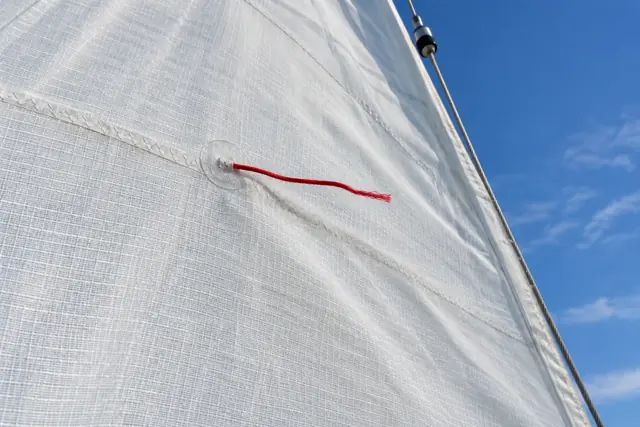
Discover how sail shape turns moving air into forward motion.
1. Airflow and force
A sail redirects airflow and develops aerodynamic force. Lift and drag both contribute, with their balance depending on sail shape and wind angle.
2. The keel's role
Sail force has both forward and sideways components. The keel, centerboard or hull resists much of the sideways movement, helping the boat move ahead.
3. Shape matters
A properly trimmed sail has smooth attached flow. Excessive trimming can stall airflow; too little trim may cause the sail to luff and flap.
4. Use telltales
Small ribbons on sails show airflow. When telltales stream smoothly on both sides of a headsail, trim is often close to effective. Adjust heading and sheets gradually.
Watch one patch of sail
Pick one pair of telltales and observe them through a small trim change on a steady course with an instructor. Record the windward and leeward responses separately. Changing heading at the same time makes the cause harder to isolate.

What should you hold steady during the comparison?
Keep the course steady enough to compare the same patch of sail.
Practice Quiz
Answer all five questions. Passing score: 80% (4 of 5).