BEGINNER SAILING · LESSON 6 OF 40
Wind Basics
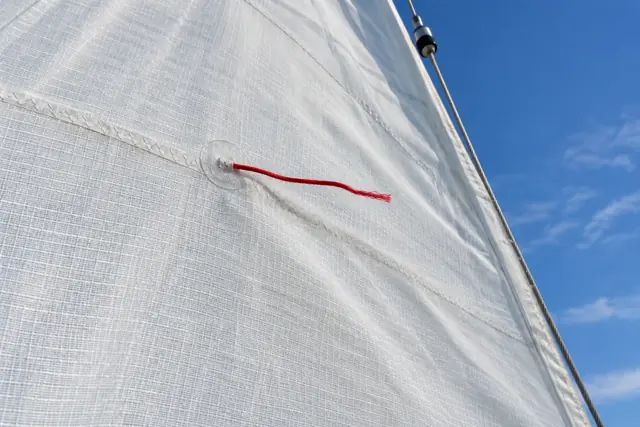
Understand the wind you feel and the wind the boat experiences.
1. True wind
True wind is the movement of air relative to the water or ground. Marine forecasts generally report wind direction as the direction the wind comes FROM, not the direction it travels toward.
2. Apparent wind
Apparent wind is the airflow experienced aboard a moving boat. It combines true wind with the boat's motion. As a sailboat accelerates, apparent wind typically shifts forward.
3. Reading the wind
Use a masthead wind indicator, telltales, ripples and nearby flags to estimate direction. Compare instruments with what you see; wind can shift near headlands and squalls.
4. Wind and decisions
Stronger wind creates more force on the sails and can increase heel. Reef early when conditions warrant, maintain a lookout and never rely on a single forecast.
Compare two wind observations
Imagine a ribbon on a moored boat, then on a boat moving forward in the same breeze. The apparent wind combines the air motion and boat motion. Specify which wind reference you mean when comparing observations.


Why can the indicator change without a weather change?
The boat may have turned or changed speed.
Practice Quiz
Answer all five questions. Passing score: 80% (4 of 5).