BEGINNER SAILING · LESSON 26 OF 40
Understanding Weather Forecasts
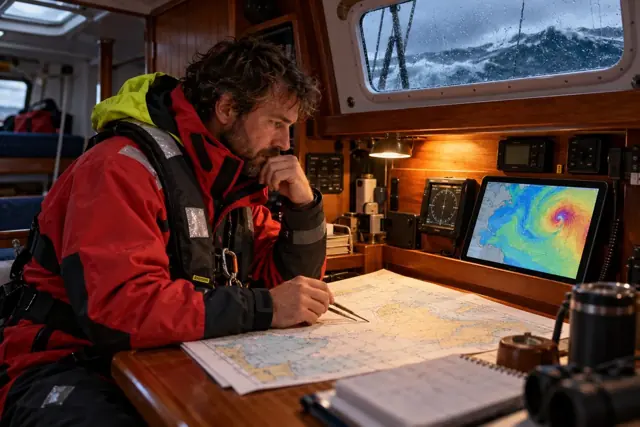
Use marine forecasts to decide when and where to sail.
1. Choose marine sources
Consult official marine forecasts for your operating area, including warnings, wind direction and speed, gusts, wave height and period, visibility and precipitation. General phone weather icons omit important marine details.
2. Read wind and waves together
A forecast of 15 knots can feel very different in sheltered water than with steep, short-period seas. Consider wind against current, fetch and shallow areas where waves steepen.
3. Understand forecast uncertainty
Forecasts are estimates, not guarantees. Check issue time and update frequency; compare observations and radar with forecasts, and allow for squalls or frontal passages.
4. Set personal limits
Assess crew experience, daylight, escape harbors and boat condition. Postpone or shorten a trip when warnings, deteriorating weather or fatigue exceed your limits.
Read the forecast at arrival time
Write down the forecast issue time and the time your boat reaches the most exposed leg. Compare gusts, wave period and visibility across the trip, including a slower return. Use the local official marine forecast.
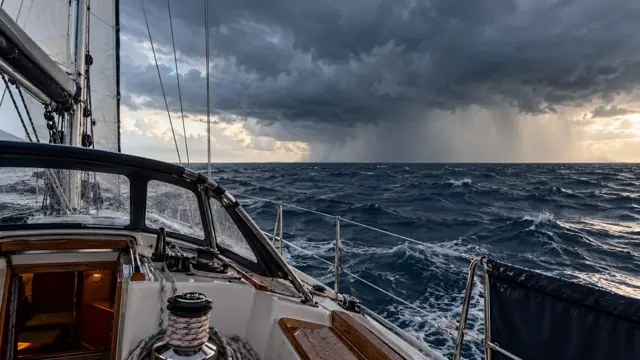
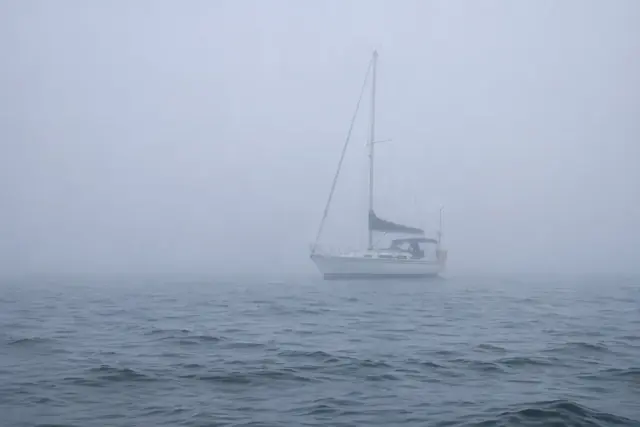
A three-hour trip becomes five hours. What needs rechecking?
The weather and entrance conditions during the later arrival window.
Practice Quiz
Answer all five questions. Passing score: 80% (4 of 5).