BEGINNER SAILING · LESSON 25 OF 40
Reefing Basics

Reduce sail area before the boat becomes overpowered.
1. Why reef?
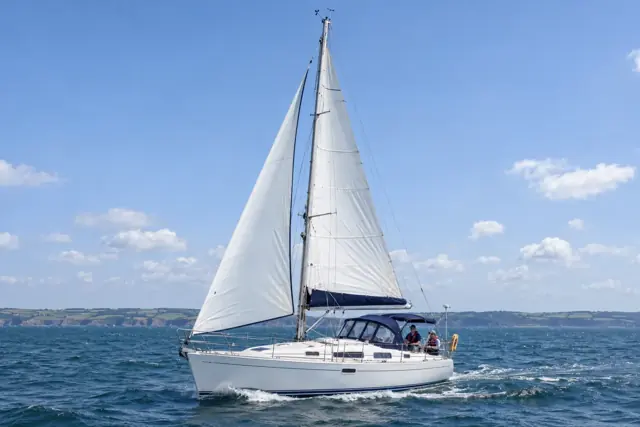
Reefing reduces exposed sail area and helps control heel, weather helm and loads. Reef early when gusts, rising wind or fatigue make handling difficult.
2. Prepare and unload
Brief the crew and follow the sailmaker and boat-specific reefing procedure. On a conventional mainsail, steer to reduce sail pressure, ease the mainsheet and lower the halyard to the correct reef point.
3. Secure the reef
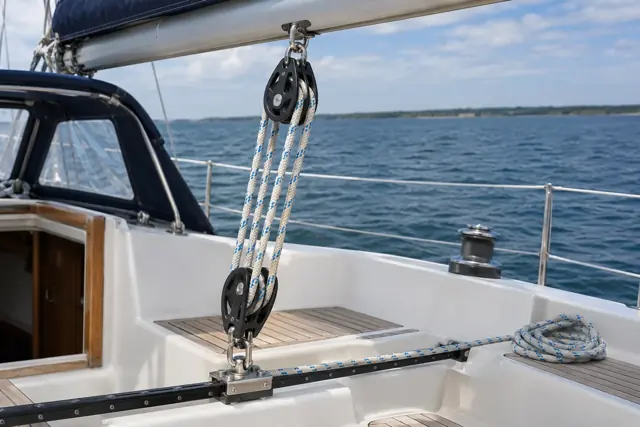
Attach the reef tack and tension the reef clew using the designated reefing lines or hooks. Retension the halyard and check that the reefed sail is flat and secure. Do not load decorative sail ties as structural reef points.
4. Check and adjust
Re-trim for the new course, inspect lines for chafe, and reassess whether the headsail also needs reducing. If conditions are worsening rapidly, prioritize crew safety and consider returning to shelter.
Assess the result of a reef
After a supervised reduction, compare helm load, heel and ability to hold the intended course. Watch for chafe and confirm the sail is secured according to this rig’s reefing arrangement.
What improvement matters even if speed barely changes?
The helm may be easier to control and the crew less fatigued.
Practice Quiz
Answer all five questions. Passing score: 80% (4 of 5).