BEGINNER SAILING · LESSON 21 OF 40
Unfurling the Headsail

Deploy a roller-furling jib or genoa in a controlled way.
1. Prepare the crew
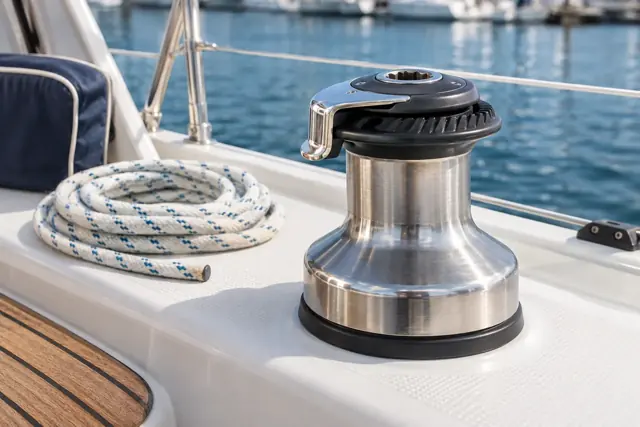
Check wind, traffic and sea room. Confirm sheets are led correctly through fairleads and around winches, and keep crew clear of loaded lines. Inspect the furling line for knots or snags.
2. Choose a safe course
Steer onto a suitable point of sail where the headsail can fill gently. Ease the furling line under control while taking in the working sheet. Never release the furling line completely in strong wind.
3. Unfurl gradually
Pull the leeward sheet while allowing the sail to roll out steadily. Keep light tension on the furling line to avoid loose wraps on the drum. Stop if the sail jams; forcing it can damage the furler.
4. Trim and secure
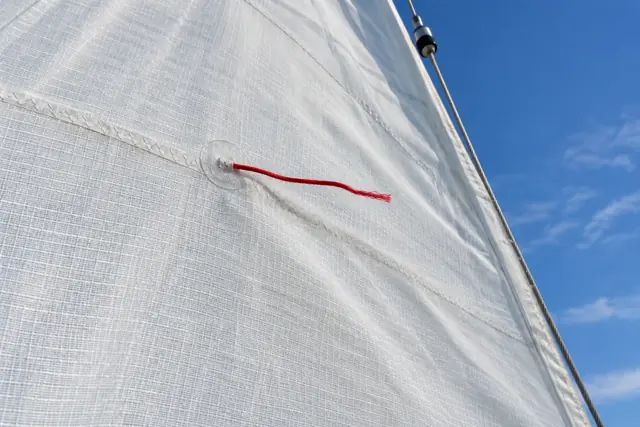
Trim for smooth airflow, secure the furling line, and check the sheet leads. If wind increases, furl or reduce sail early, following the sailmaker's reefing limits.
Identify both sides of the furling system
Point out the furling line, drum and sheets on the training boat. Read its operating instructions with the skipper. Coordination matters because line resistance at one end may reflect a snag elsewhere.
What observation deserves a pause?
The sail stops moving while the line load increases unexpectedly.
Practice Quiz
Answer all five questions. Passing score: 80% (4 of 5).