BEGINNER SAILING · LESSON 22 OF 40
Basic Sail Trim
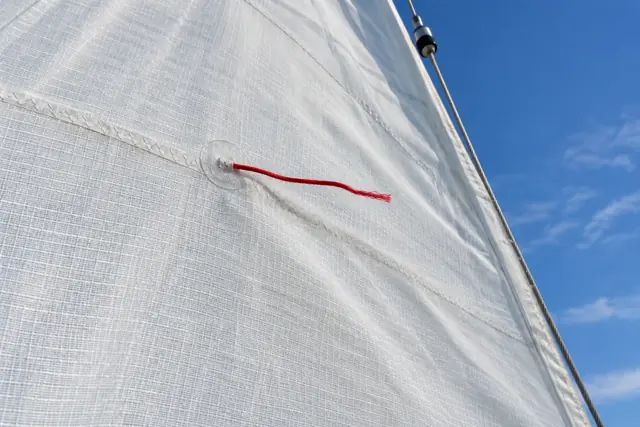
Use sail shape, telltales and helm feel to sail efficiently.
1. Start with course
Sail trim depends on wind angle. Heading closer to the wind usually calls for trimming sheets in; bearing away usually calls for easing them.
2. Read the sails
Luffing at the leading edge often means the sail needs more trim or a course change. Telltales streaming smoothly indicate attached airflow; stalled or fluttering telltales call for adjustment.
3. Balance the boat
Excessive heel and heavy weather helm can mean too much sail or poor trim. Ease controls and reef as appropriate rather than simply fighting the wheel.
4. Change one thing at a time
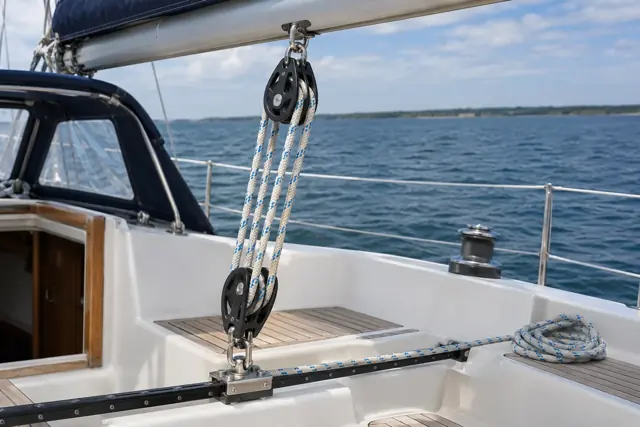
Adjust the mainsheet, headsail sheets or traveler in small increments and watch speed, heel and steering response. Never put hands in loaded winch turns.
Make one trim change at a time
Observe heel, heading and telltales before a small sheet adjustment. Allow the boat to settle and compare the same observations. A better-looking sail alone does not establish that steering became easier.

Why note the original setting?
It gives you a reference if the adjustment worsens the response.
Practice Quiz
Answer all five questions. Passing score: 80% (4 of 5).