BEGINNER SAILING · LESSON 16 OF 40
Dock Lines and Fenders
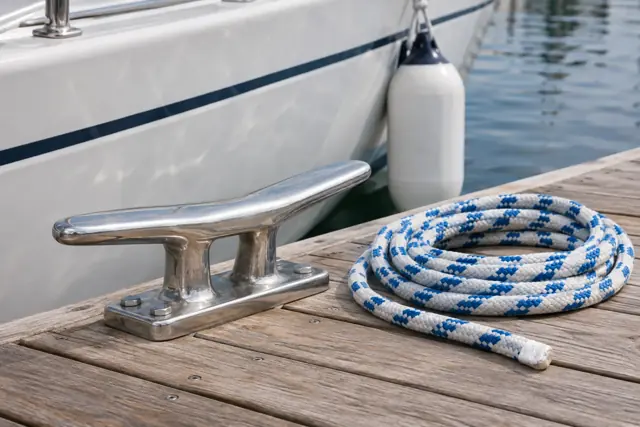
Protect the boat and secure it correctly at a dock.
1. Choosing dock lines
Use sound, adequately sized bow, stern and spring lines with suitable chafe protection. Spring lines help prevent the boat moving fore and aft. Allow for tides, wakes and changes in wind.
2. Placing fenders
Hang fenders at likely contact points, adjusting height to the dock or pilings. Fenders reduce damage but cannot replace controlled boat handling; never put a hand or foot between hull and dock.
3. Making fast
Use appropriate cleat hitches on sound fittings. Keep lines clear of propellers and avoid crossing walkways where they become trip hazards. Check for chafe, over-tightness and slack.
4. Tidal and overnight checks
In tidal areas, lines need enough adjustment range to accommodate water-level changes. Recheck after arrival and as weather shifts. Consider shore-side attachment points and dock rules.
Think about changing water level
Sketch the berth, boat and shore attachment points. Mark where a fender protects the hull and where it may roll out as the tide changes. Check the line leads from more than one position on the dock.
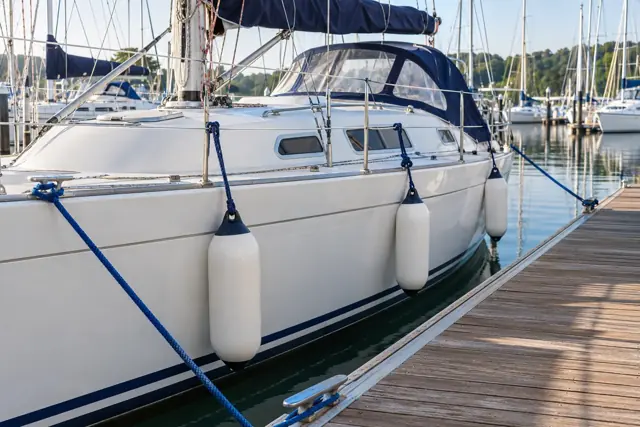

Why return to check after a tide change?
The hull, fenders and fixed dock may now meet at a different height.
Practice Quiz
Answer all five questions. Passing score: 80% (4 of 5).