Sailboat buyer's guide
Best Bluewater Sailboats for Ocean Crossings: Selection Guide
Learn how to evaluate offshore sailboats for seaworthiness, crew comfort and passage-making. This guide explains practical considerations to help you compare boats and prepare for an informed purchase.
What matters most
Offshore suitability is not determined by a single ratio, brand or keel type. Assess hull and deck structure, watertight integrity, keel attachment and rudder protection. When comparing boats, document the evidence you have rather than relying on photographs or advertising language. A buyer should distinguish a manufacturer's original specification from equipment installed later by owners. Request clear records and seek independent professional assessment for structural, mechanical or safety-critical issues. The right choice depends on the boat's present condition, your sailing plans, your crew and the resources available for ongoing care.

What to inspect before buying
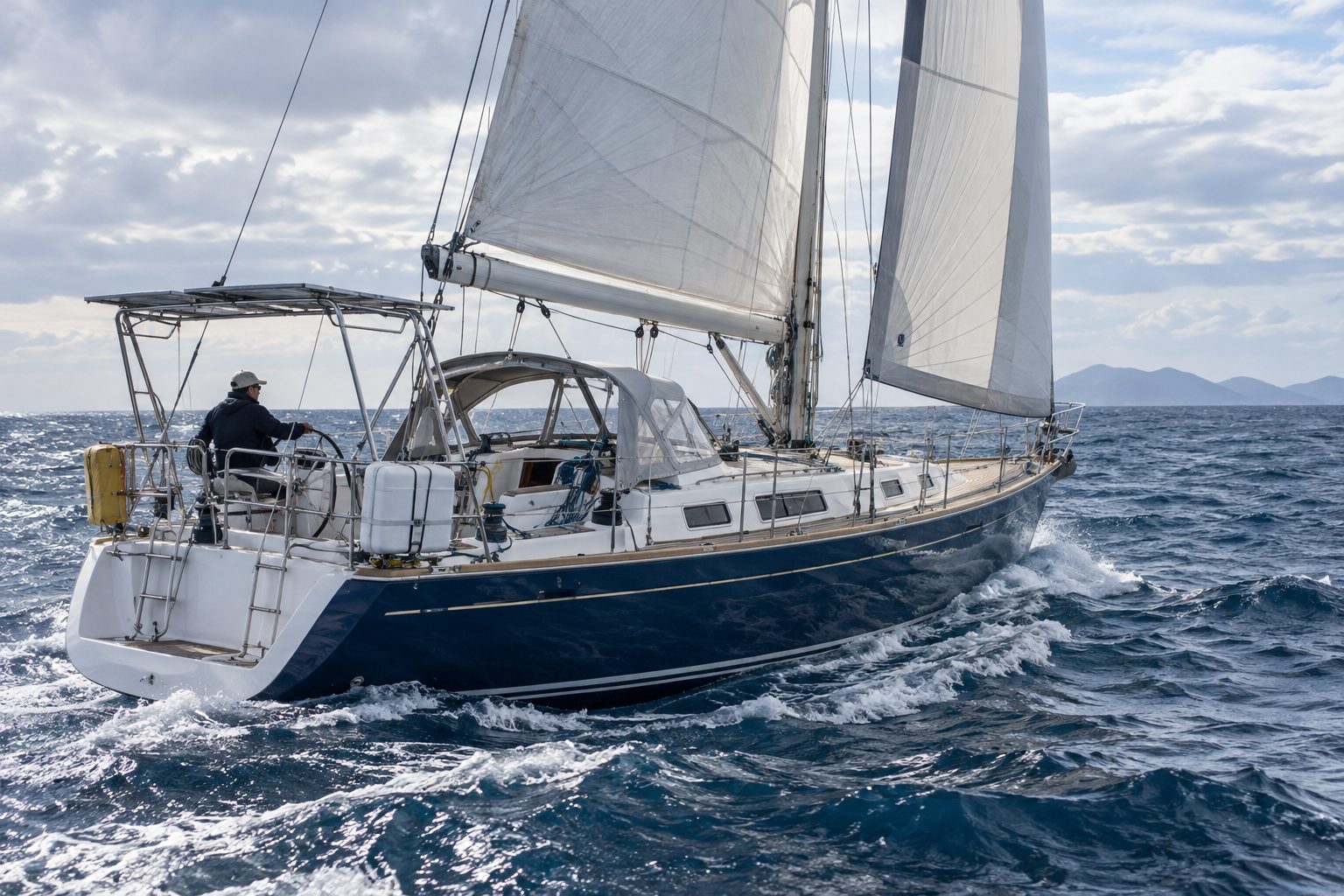
A secure cockpit, strong handholds and practical sea berths improve life in rough conditions. Inspect reefing arrangements, storm sails, rig condition and the crew’s ability to reduce sail. When comparing boats, document the evidence you have rather than relying on photographs or advertising language. A buyer should distinguish a manufacturer's original specification from equipment installed later by owners. Request clear records and seek independent professional assessment for structural, mechanical or safety-critical issues. The right choice depends on the boat's present condition, your sailing plans, your crew and the resources available for ongoing care.
Budget and ownership considerations
Review freshwater storage, fuel capacity, charging redundancy and repair access. Navigation, communications, emergency equipment and watchkeeping plans are essential offshore. When comparing boats, document the evidence you have rather than relying on photographs or advertising language. A buyer should distinguish a manufacturer's original specification from equipment installed later by owners. Request clear records and seek independent professional assessment for structural, mechanical or safety-critical issues. The right choice depends on the boat's present condition, your sailing plans, your crew and the resources available for ongoing care.
Questions to ask the seller
Passage performance depends on loading, sail condition, weather routing and crew experience. Before a long passage, complete coastal shakedowns and address deficiencies revealed by a professional survey. When comparing boats, document the evidence you have rather than relying on photographs or advertising language. A buyer should distinguish a manufacturer's original specification from equipment installed later by owners. Request clear records and seek independent professional assessment for structural, mechanical or safety-critical issues. The right choice depends on the boat's present condition, your sailing plans, your crew and the resources available for ongoing care.
How to make a confident decision
Offshore suitability is not determined by a single ratio, brand or keel type. Assess hull and deck structure, watertight integrity, keel attachment and rudder protection. When comparing boats, document the evidence you have rather than relying on photographs or advertising language. A buyer should distinguish a manufacturer's original specification from equipment installed later by owners. Request clear records and seek independent professional assessment for structural, mechanical or safety-critical issues. The right choice depends on the boat's present condition, your sailing plans, your crew and the resources available for ongoing care.
Frequently asked questions
Should I get a marine survey?
For most used-boat purchases, an independent survey helps identify issues that may not be obvious during a viewing. Discuss the inspection scope and limitations with the surveyor.
How can I compare two sailboats fairly?
Compare condition, documented maintenance, cruising suitability, included equipment and estimated ownership costs—not just the asking price.
What should I do before paying a deposit?
Understand the written agreement, survey and sea-trial contingencies, deposit handling, title verification and applicable local requirements.