← Sailing articles

Sailboat buyer's guide

Best Bluewater Sailboats for Ocean Crossings: Selection Guide

Learn how to evaluate offshore sailboats for seaworthiness, crew comfort and passage-making. This guide explains practical considerations to help you compare boats and prepare for an informed purchase.

What matters most

Offshore suitability is not determined by a single ratio, brand or keel type. Assess hull and deck structure, watertight integrity, keel attachment and rudder protection. When comparing boats, document the evidence you have rather than relying on photographs or advertising language. A buyer should distinguish a manufacturer's original specification from equipment installed later by owners. Request clear records and seek independent professional assessment for structural, mechanical or safety-critical issues. The right choice depends on the boat's present condition, your sailing plans, your crew and the resources available for ongoing care.

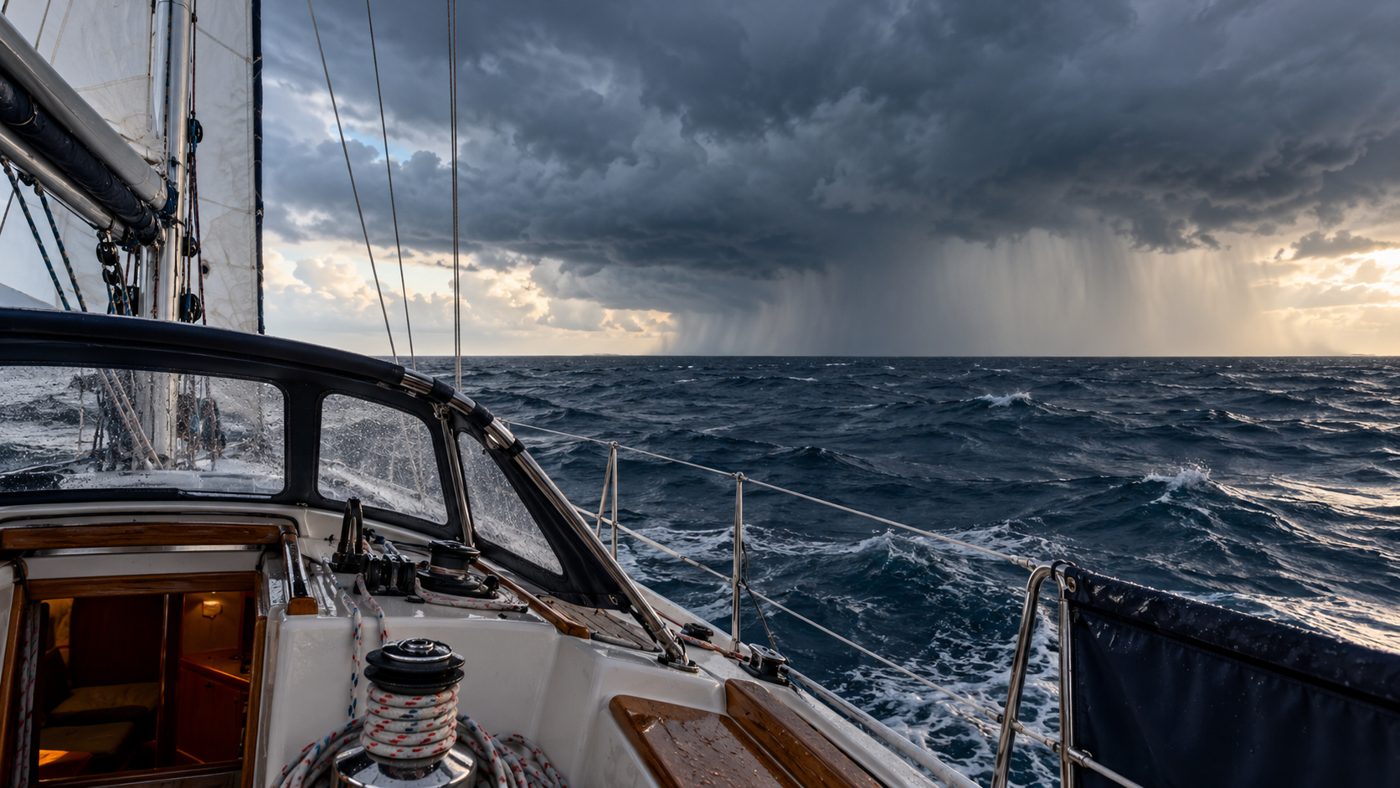
Sailboat crossing open water beneath cloudy skies

What to inspect before buying

A secure cockpit, strong handholds and practical sea berths improve life in rough conditions. Inspect reefing arrangements, storm sails, rig condition and the crew’s ability to reduce sail. When comparing boats, document the evidence you have rather than relying on photographs or advertising language. A buyer should distinguish a manufacturer's original specification from equipment installed later by owners. Request clear records and seek independent professional assessment for structural, mechanical or safety-critical issues. The right choice depends on the boat's present condition, your sailing plans, your crew and the resources available for ongoing care.

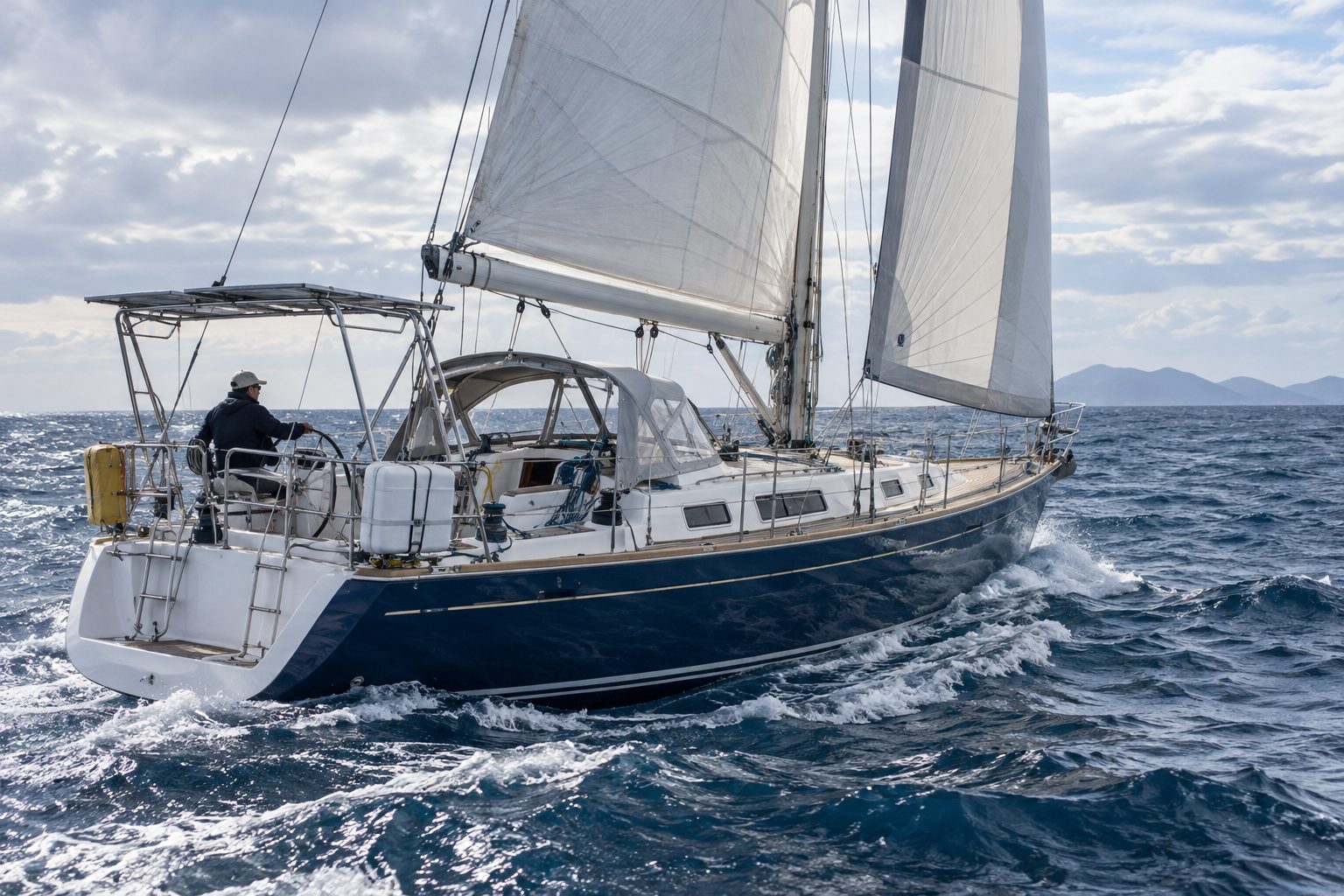
Illustration for Best Bluewater Sailboats for Ocean Crossings: What to inspect before buying

Budget and ownership considerations

Review freshwater storage, fuel capacity, charging redundancy and repair access. Navigation, communications, emergency equipment and watchkeeping plans are essential offshore. When comparing boats, document the evidence you have rather than relying on photographs or advertising language. A buyer should distinguish a manufacturer's original specification from equipment installed later by owners. Request clear records and seek independent professional assessment for structural, mechanical or safety-critical issues. The right choice depends on the boat's present condition, your sailing plans, your crew and the resources available for ongoing care.

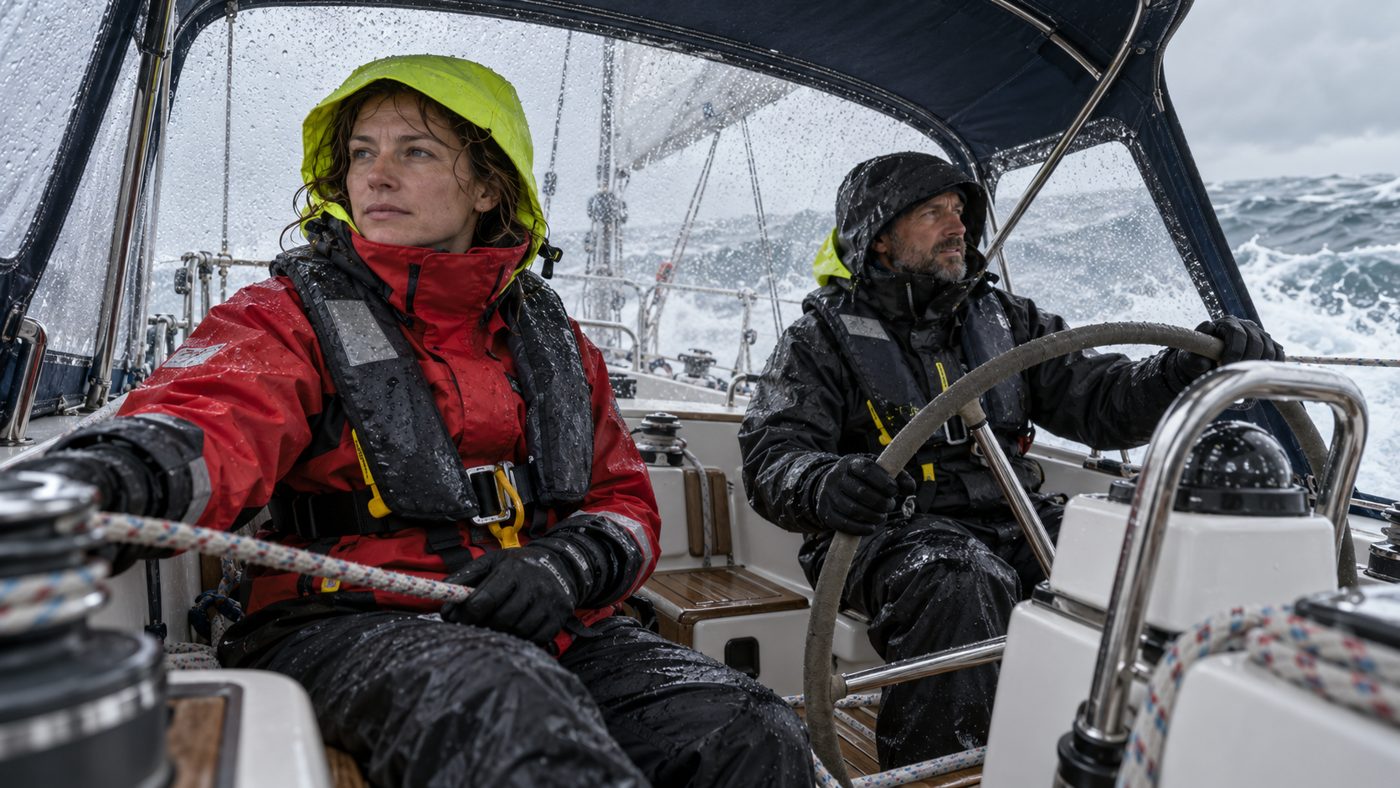
Illustration for Best Bluewater Sailboats for Ocean Crossings: Budget and ownership considerations

Questions to ask the seller

Passage performance depends on loading, sail condition, weather routing and crew experience. Before a long passage, complete coastal shakedowns and address deficiencies revealed by a professional survey. When comparing boats, document the evidence you have rather than relying on photographs or advertising language. A buyer should distinguish a manufacturer's original specification from equipment installed later by owners. Request clear records and seek independent professional assessment for structural, mechanical or safety-critical issues. The right choice depends on the boat's present condition, your sailing plans, your crew and the resources available for ongoing care.

How to make a confident decision

Offshore suitability is not determined by a single ratio, brand or keel type. Assess hull and deck structure, watertight integrity, keel attachment and rudder protection. When comparing boats, document the evidence you have rather than relying on photographs or advertising language. A buyer should distinguish a manufacturer's original specification from equipment installed later by owners. Request clear records and seek independent professional assessment for structural, mechanical or safety-critical issues. The right choice depends on the boat's present condition, your sailing plans, your crew and the resources available for ongoing care.

Frequently asked questions

Should I get a marine survey?

For most used-boat purchases, an independent survey helps identify issues that may not be obvious during a viewing. Discuss the inspection scope and limitations with the surveyor.

How can I compare two sailboats fairly?

Compare condition, documented maintenance, cruising suitability, included equipment and estimated ownership costs—not just the asking price.

What should I do before paying a deposit?

Understand the written agreement, survey and sea-trial contingencies, deposit handling, title verification and applicable local requirements.
Browse sailboats for sale → Research manufacturers →

My saved articles →

KEEP EXPLORING

Related sailing guides

Helpful next reads based on this article.

More buying & comparing articles →
Illustration for What Makes a Good Bluewater Sailboat?Buying & ComparingWhat Makes a Good Bluewater Sailboat?Read guide →Offshore sailing crew in foul-weather gearSeamanship & SafetyStorm Sails for Offshore SailingRead guide →Dark storm squall clouds approaching a sailing routeSeamanship & SafetySailboat Hurricane PreparationRead guide →Sailor working with lines while underwayNavigation & WeatherOffshore Watchkeeping for Small CrewsRead guide →

Prefer a step-by-step plan? Browse guided reading paths →

Learn Best Bluewater Sailboats for Ocean Crossings: a practical guide

A fair comparison starts with the way you will use the boat, then checks the condition and documentation of the specific vessel. Model reputation is only a starting point: refits, maintenance history, equipment, and survey findings can change the decision. For Best Bluewater Sailboats for Ocean Crossings, begin with the exact equipment, design, or conditions described in your boat’s records. The notes below are a learning framework, not a substitute for the specific manual or a professional inspection.

How to work through it

  1. Write down intended crew size, sailing area, draft limits, storage needs, and realistic purchase budget.
  2. Verify identity, ownership documents, equipment list, maintenance records, and any claimed upgrades.
  3. Inspect and sea-trial the actual boat, then use an independent qualified surveyor for a purchase decision.

What to check on your sailboat

Make this a repeatable dockside or passage-planning exercise. Write down what is normal for your boat before you need to diagnose a change.

  • Identify the exact model, installation, location, and operating conditions involved in best bluewater sailboats for ocean crossings.
  • Use the boat’s own labels, diagrams, service history, and maker’s manual; note any differences from the published layout.
  • Check accessibility, visible wear, leaks, chafe, corrosion, unexpected movement, alarms, or changing performance where relevant.
  • Record the date, conditions, readings, photographs, and what changed after an adjustment or service.
  • Agree on a conservative fallback if the system or plan does not behave as expected.

Common mistakes to avoid

  • Comparing asking prices without comparing condition and included equipment.
  • Treating a broker’s description or a model-year specification as an inspection.
  • Skipping the independent survey or relying on a sea trial as a substitute for it.

Questions to test your understanding

  1. Does the design match the passages, harbors, and crew you actually expect?
  2. Can the seller document recent service and major repairs?
  3. What near-term work, haul-out, insurance, delivery, and storage costs belong in the budget?
Show a sample answer

A strong answer identifies the boat-specific source of truth, explains what normal operation looks like, names the main risk or limitation, and gives a checkable next step. It also states when the crew should stop and ask a qualified professional.

Illustrative scenario: During a routine check, a crew notices something about best bluewater sailboats for ocean crossings has changed from its recorded normal condition. They avoid guessing, confirm the observation, consult the boat-specific documentation, brief the skipper, and choose the safest available next step while preserving a backup plan.

Further reading and primary references

Sailing systems and legal requirements vary by boat, country, and waters. Verify current local rules and the installed equipment maker’s instructions before relying on a procedure.

Explore the full sailing article library →