Interactive learning · No prerequisites
Sailing Skills Lab
Explore points of sail and practice decisions with five guided situations. This is a conceptual learning activity, not a sailing simulator.
Read the boat before moving a control
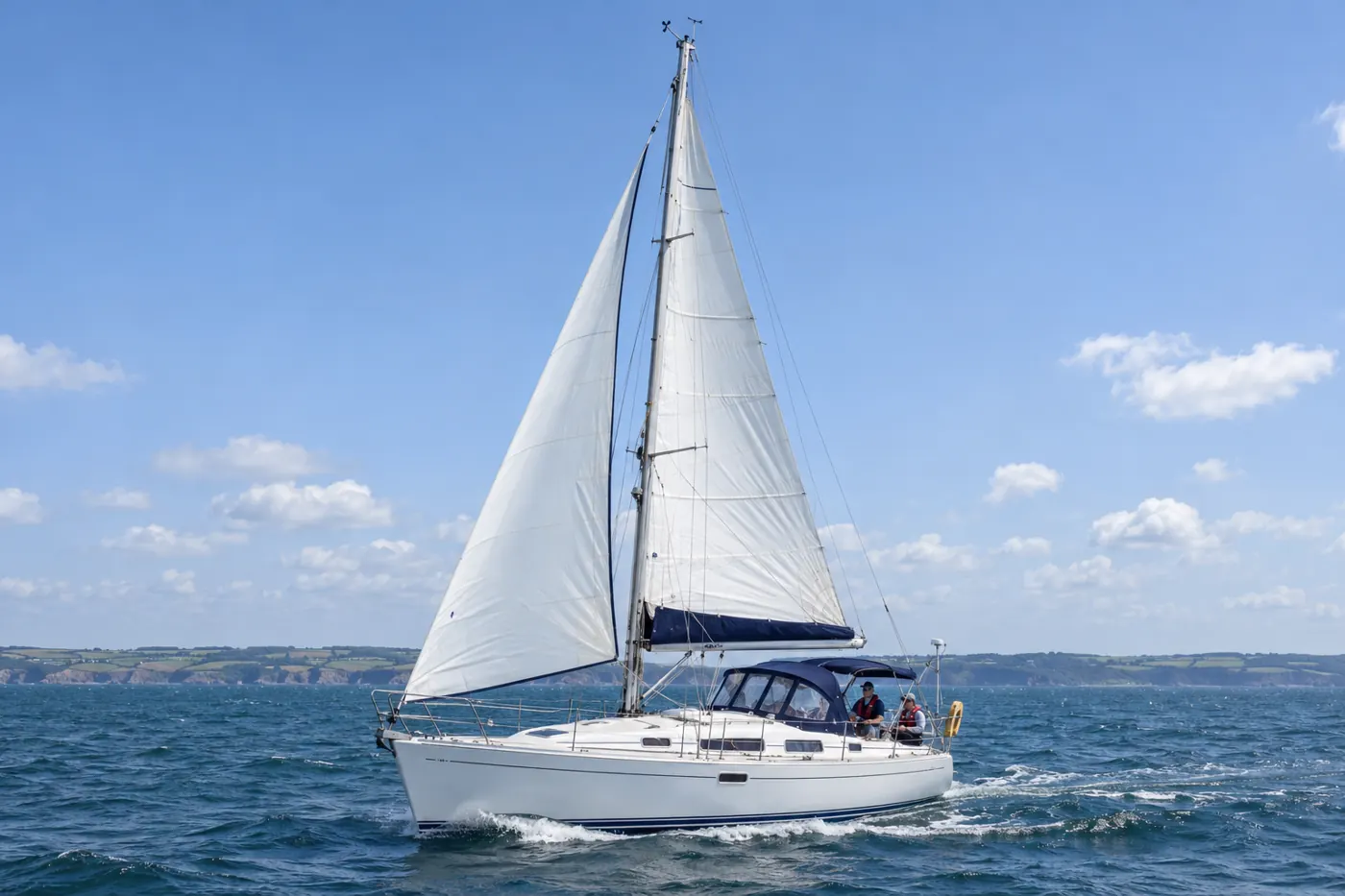
Establish the point of sail
Set the wind-angle control first. Predict which direction the sheets should move as the wind moves aft. A heading change alters the angle even when the wind itself stays steady.
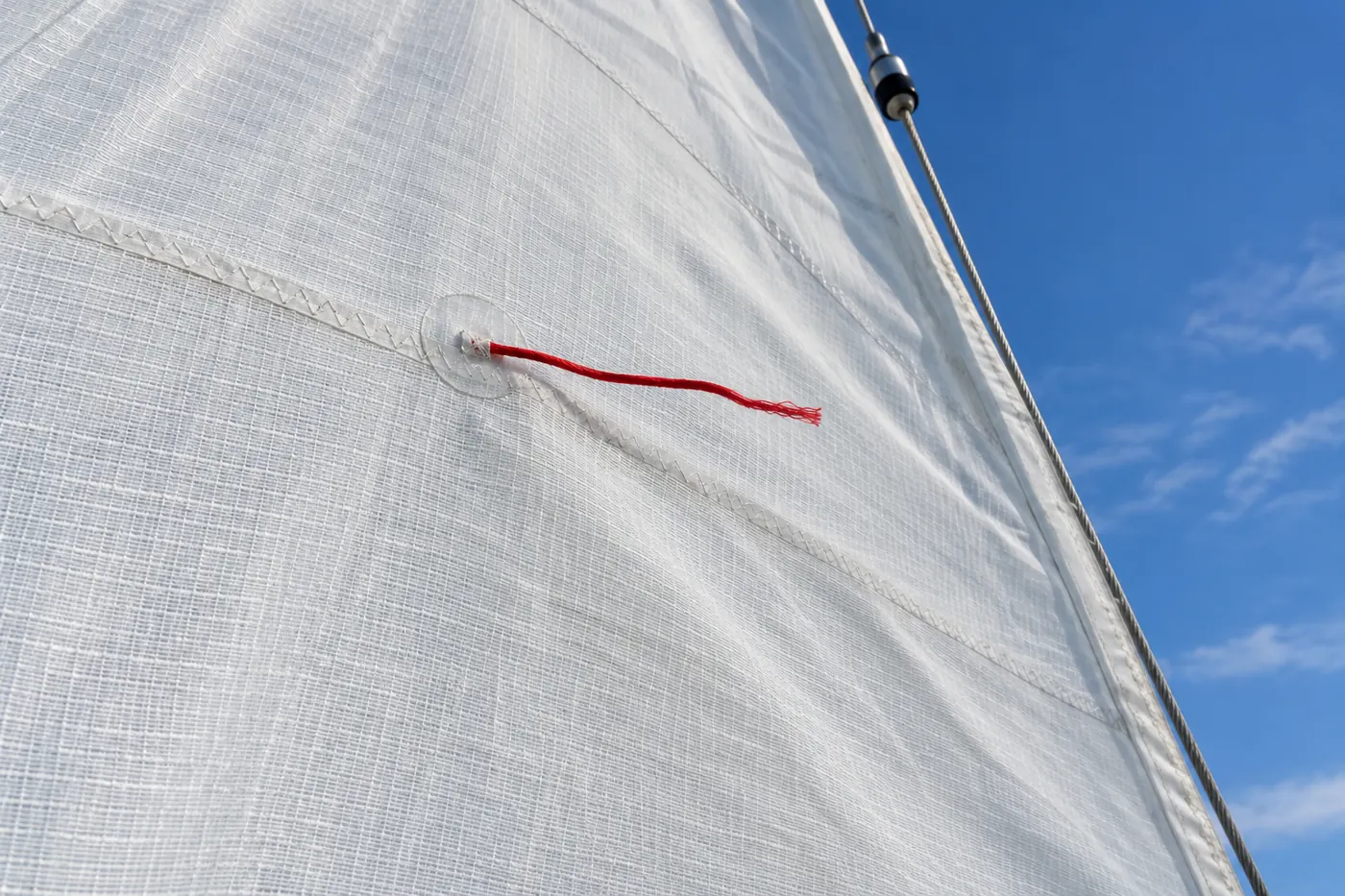
Change one variable
Keep the heading steady while comparing trim settings. On board, airflow, helm load and speed give different clues. Record the change and the response before adjusting again.
Marine Weather Forecast Lab
Explore wind, gusts, wave heights and visibility, then practice decisions involving squalls, fronts and tropical systems.
Open weather forecasting exercises →More interactive exercises
Practice anchoring scope, docking decisions and navigation cross-checks.
Open Anchoring, Docking & Navigation Lab →Explore points of sail
Set the wind angle relative to the bow: 0° means directly ahead, 90° abeam and 180° directly astern.
Beam reach
Ease sheets progressively compared with close-hauled sailing.
Conceptual sail-trim control
0% = sheeted in; 100% = eased out. Exact sail settings vary with sail shape, wind, waves and boat design.
Moderate ease selected.
Practice five sailing decisions
Select the best general response in each scenario.
Always learn boat handling with qualified practical instruction and follow conditions and vessel-specific guidance.