Checking sign-in…
Sailing Academy · Performance
Interactive Sail Trim & Performance
Explore apparent wind, points of sail, sheeting, reefing and safe sail balance.
Connect sail shape with helm response
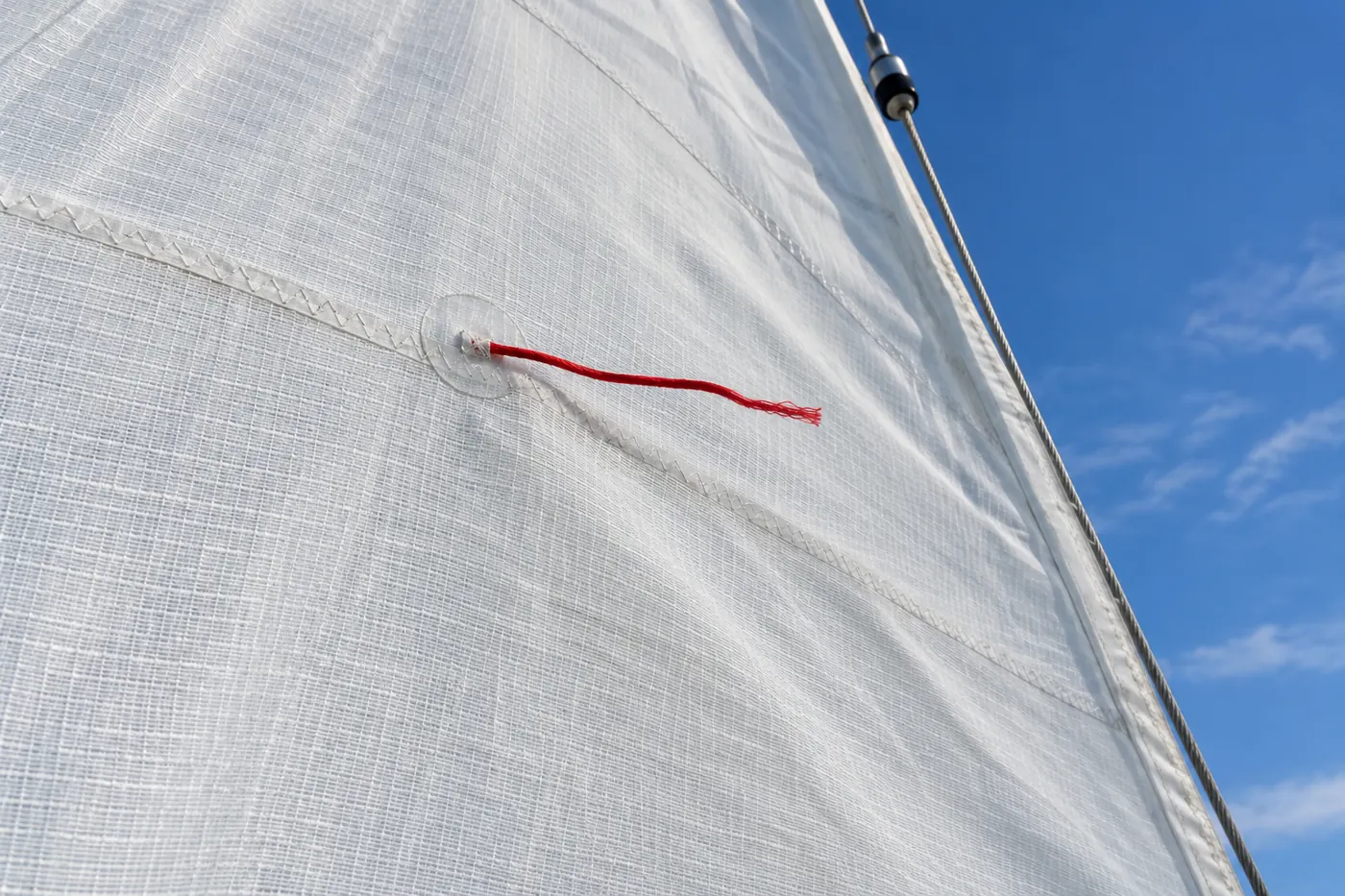
Observe the same patch of sail
Hold a steady course and watch the same telltales through a small trim change. A gust or heading change during the trial makes it harder to tell which adjustment caused the response.

Separate balance from speed
Track the effort needed to steer as well as speed. Persistent weather helm and difficult control warrant a review of sail area and balance using the boat’s own reefing guidance.
Lesson 1 of 6
True and apparent wind
True wind is referenced to the water or ground; apparent wind is the airflow felt aboard, combining wind and boat motion. Apparent wind commonly moves forward as speed increases.
Interactive sail trim diagram
Top-down conceptual view: boat points upward. Wind arrows represent relative airflow directions, not scaled force vectors.
Apparent wind
14.9 kn
Apparent wind angle
70°
Conceptual trim match
87 / 100
Simplified trim suggestion: around 40% on this practice slider. The trim score is a teaching heuristic, not predicted speed, heel, VMG or a boat-specific polar.
No preset caution thresholds triggered. Keep monitoring sail shape, helm and conditions.
Knowledge check
As a boat accelerates on a beam reach, apparent wind commonly:
More hands-on learning
Open Sailing Skills Lab →This is an educational model, not validated sail aerodynamics or a vessel-specific performance predictor. Actual trim depends on rig, sea state, apparent wind and boat response. Signed-in students can save lesson checks and resume from their last lesson. Simulator sliders reset when you leave.