BEGINNER SAILING · LESSON 39 OF 40
Planning a Day Sail
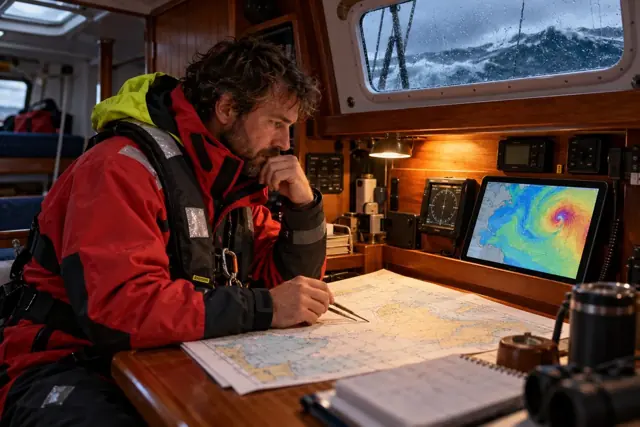
Build a realistic route, safety plan and departure checklist.
1. Pick a suitable route
Choose a destination and return plan matched to daylight, crew ability and forecast. Identify shallow areas, traffic, restricted zones and alternate shelter.
2. Check the vessel
Inspect fuel, engine, cooling, batteries, bilge, steering, rigging, sails, anchor, navigation lights and safety equipment. Verify everyone has suitable flotation and knows emergency procedures.
3. Calculate time and conditions
Estimate distance and speed with allowance for current, wind shifts and delays. Check tides, sunset, visibility and marine warnings. Establish a clear turnaround time even if the destination is not reached.
4. Tell someone ashore
Share a float plan including boat description, people aboard, route, expected return and who to call if overdue. Brief crew on radio, MOB, docking and basic responsibilities before departure.
Set a decision time
Plan the return leg first. Work back from daylight and expected conditions at the entrance. Include time for a slower leg and a place to turn back while the crew still has margin.
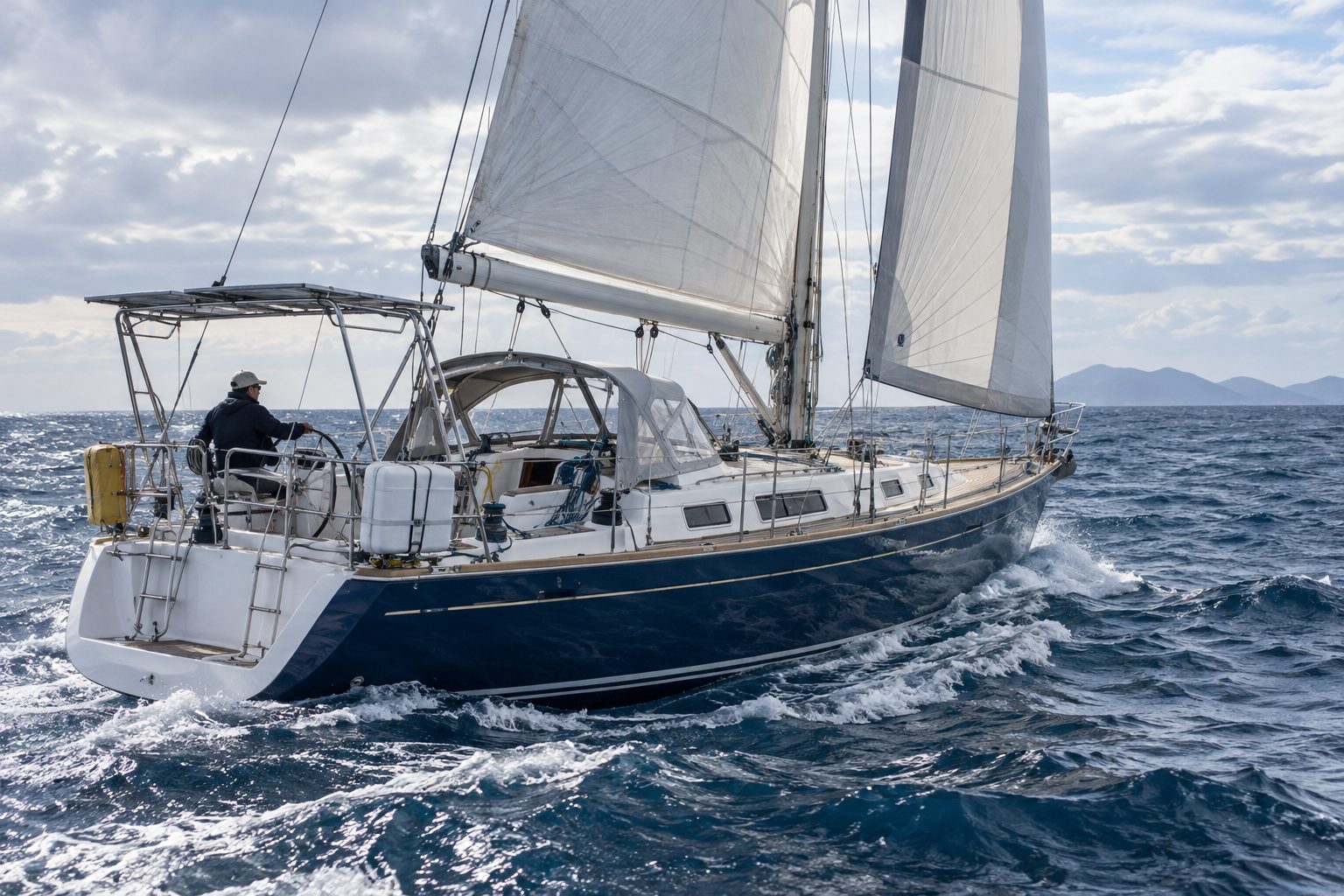
A six-mile leg takes two hours instead of one. What changes?
Recalculate the remaining ETA and review the return window.
Practice Quiz
Answer all five questions. Passing score: 80% (4 of 5).