BEGINNER SAILING · LESSON 38 OF 40
Troubleshooting Under Sail
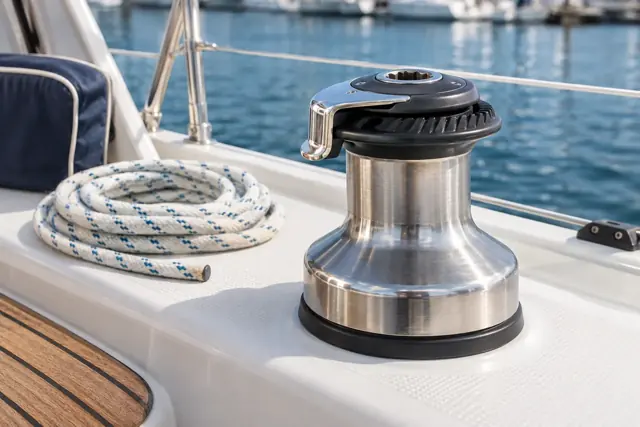
Recognize common problems and respond without creating new hazards.
1. When the boat slows
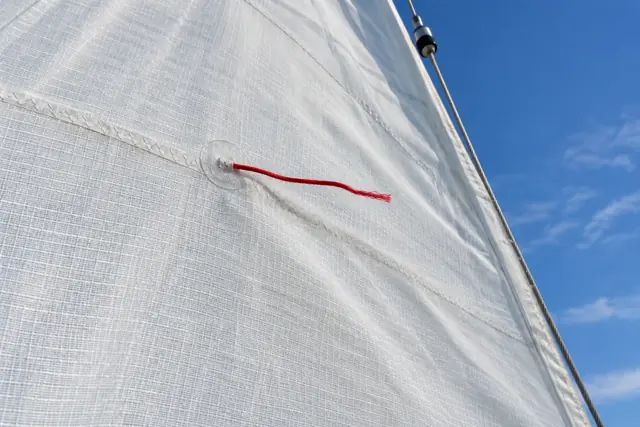
Check point of sail, luffing sails, fouled sheets, excessive heel, current and sea state. Make one adjustment at a time and monitor the result.
2. If steering feels wrong
Check sail balance and rudder response. Excessive weather helm may call for easing or reefing. If steering fails, reduce sail, alert crew and follow the boat's emergency steering procedure.
3. If rigging or sail jams
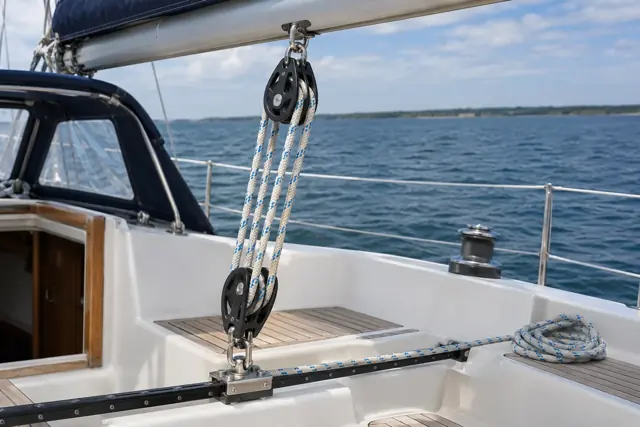
Stop loading the affected line or winch. Keep crew clear of loaded gear and the boom. Identify twists, fouled blocks or a snagged halyard before trying again. Do not force damaged equipment.
4. Respond to changing conditions
If gusts increase, reef early and secure loose gear. If visibility deteriorates or equipment fails, slow down, navigate to safe water and request assistance when necessary.
Compare symptom with cause
If drive falls, record the heading, trim and wind change before touching a control. Consider whether the boat turned, the breeze shifted or a line fouled. Start with observations that can distinguish the explanations.
Why avoid changing three controls together?
You lose the ability to identify which change altered the result.
Practice Quiz
Answer all five questions. Passing score: 80% (4 of 5).