BEGINNER SAILING · LESSON 31 OF 40
Keeping a Proper Lookout
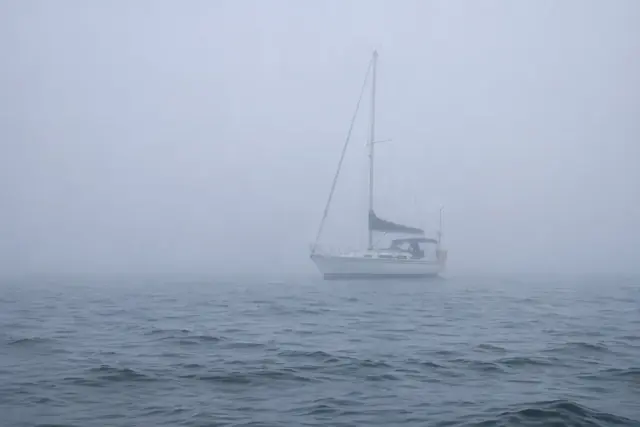
Recognize traffic, hazards and developing collision risk early.
1. A continuous duty
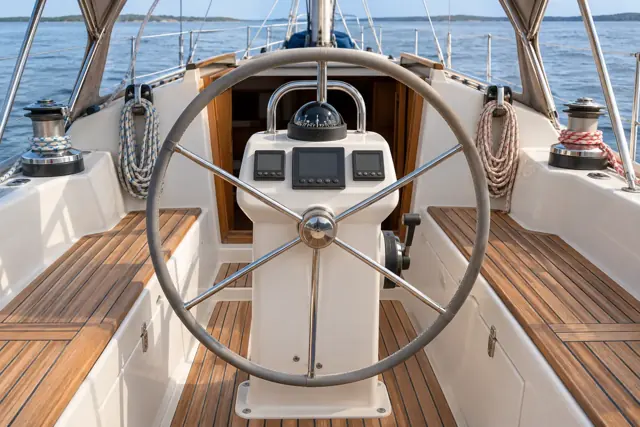
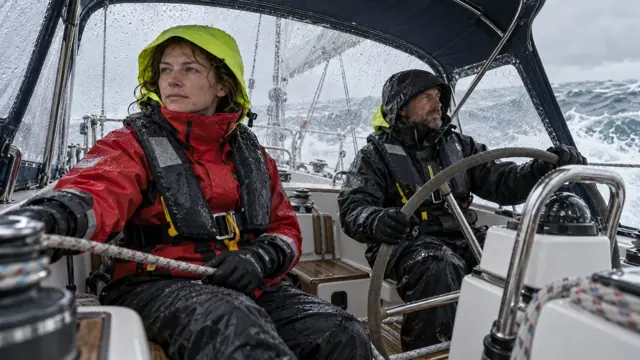
Keep an effective lookout by sight, hearing and all available appropriate means. The person steering may need dedicated help when traffic, visibility or workload increases. Autopilot and AIS do not replace a human lookout.
2. Scan systematically
Check ahead, astern and both quarters, including behind sails and structures that create blind spots. Look for small boats, swimmers, floating debris, fishing gear and navigation marks.
3. Assess closing traffic
Take repeated visual bearings of approaching vessels and consider radar or AIS when available. A steady bearing with decreasing distance can signal collision risk; act early under the applicable rules.
4. Communicate and adapt
Report contacts clearly with direction, approximate range and movement. Reduce speed or change plans if visibility worsens, and maintain proper sound signals and lights where required.
Practice a useful lookout report
From a safe observation point report a contact relative to the bow, estimate range and describe its movement. Keep watching the same contact and update the helm with the time of the next observation.
Which is more useful than “boat over there”?
A direction, range estimate and whether the contact appears to be closing.
Practice Quiz
Answer all five questions. Passing score: 80% (4 of 5).