A practical sailing guide to ac vs dc electrical systems on sailboats, covering inspections, safety and ownership decisions. Follow current manufacturer instructions, applicable regulations and qualified professional guidance for safety-critical work.
Understanding DC circuits
Most sailboats use DC circuits for batteries, lighting, pumps and navigation equipment.
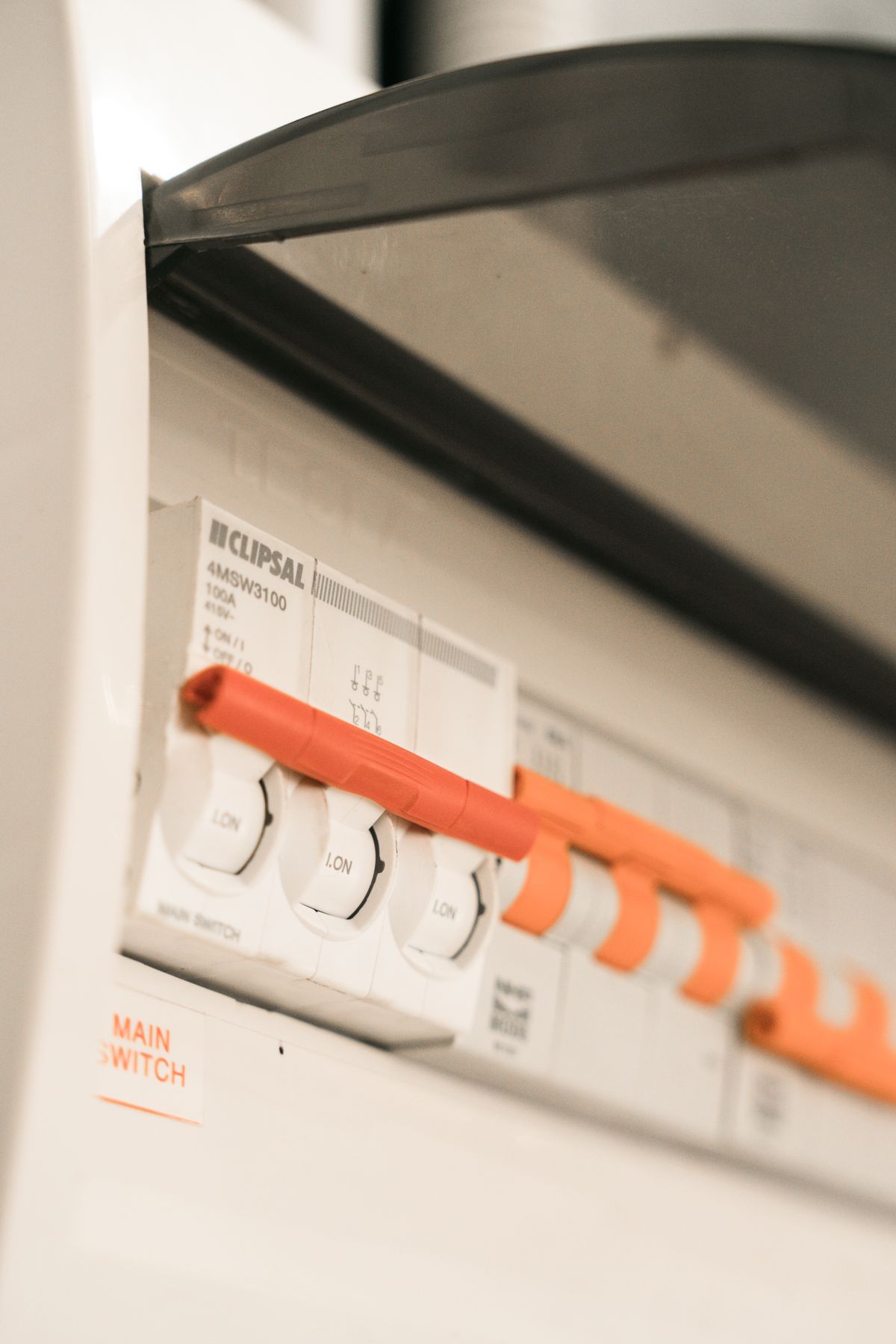
Electrical breakers in a distribution panel
Shore power and AC
AC systems may supply outlets, water heaters and other appliances through shore power or generators.
Illustration for AC vs DC Sailboat Electrical Systems: Shore power and AC
Inverters and chargers
Inverters convert battery DC to AC, while chargers convert AC to battery-compatible DC. Ratings and wiring must match loads.
Illustration for AC vs DC Sailboat Electrical Systems: Inverters and chargers
Grounding and isolation
Marine electrical systems require correct overcurrent protection, grounding, bonding and protection against stray current.
Electrical safety
Have complex installations inspected by a qualified marine electrician and follow applicable standards.
Frequently asked questions
How often should I inspect this equipment?
Use manufacturer service intervals, usage, environment and inspection findings to set a schedule; investigate signs of damage promptly.
Can I handle repairs myself?
Simple checks may be suitable for informed owners, but structural, rigging, electrical and other safety-critical repairs may require qualified specialists.
Learn AC vs DC Sailboat Electrical Systems: a practical guide
Treat a boat system as a set of connected parts: identify where the input comes from, how it is controlled, what protects it, and where the output goes. The installed layout matters more than a generic diagram. For AC vs DC Sailboat Electrical Systems, begin with the exact equipment, design, or conditions described in your boat’s records. The notes below are a learning framework, not a substitute for the specific manual or a professional inspection.
How to work through it
Find the boat’s manual, equipment labels, service records, and any owner-made system diagram.
Trace the relevant components from input to control to output, noting shutoffs and protective devices.
Observe normal operation and record changes; use a qualified marine technician for installation or repair beyond your training.
What to check on your sailboat
Make this a repeatable dockside or passage-planning exercise. Write down what is normal for your boat before you need to diagnose a change.
Identify the exact model, installation, location, and operating conditions involved in ac vs dc sailboat electrical systems.
Use the boat’s own labels, diagrams, service history, and maker’s manual; note any differences from the published layout.
Check accessibility, visible wear, leaks, chafe, corrosion, unexpected movement, alarms, or changing performance where relevant.
Record the date, conditions, readings, photographs, and what changed after an adjustment or service.
Agree on a conservative fallback if the system or plan does not behave as expected.
Common mistakes to avoid
Assuming two boats use the same wiring, plumbing, or installation because the equipment looks alike.
Bypassing a fuse, alarm, interlock, or other protective feature to make a system work.
Working on fuel, AC power, pressurized, or safety-critical systems without the correct training.
Questions to test your understanding
Which component starts, controls, protects, and completes the process?
Where is the nearest isolation or shutoff point, and is it accessible?
What measurement or indication confirms normal operation for this specific model?
Show a sample answer
A strong answer identifies the boat-specific source of truth, explains what normal operation looks like, names the main risk or limitation, and gives a checkable next step. It also states when the crew should stop and ask a qualified professional.
Illustrative scenario: During a routine check, a crew notices something about ac vs dc sailboat electrical systems has changed from its recorded normal condition. They avoid guessing, confirm the observation, consult the boat-specific documentation, brief the skipper, and choose the safest available next step while preserving a backup plan.
Sailing systems and legal requirements vary by boat, country, and waters. Verify current local rules and the installed equipment maker’s instructions before relying on a procedure.