Inspect a portable fuel tank and pickup filter
A restricted tank pickup or faulty connector can mimic a carburetor problem. Follow the fuel path before taking the engine apart.
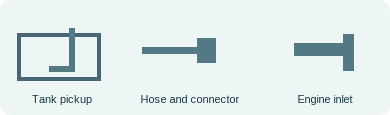
1. Identify the supply system
Determine whether the motor is using an integral tank or a remote tank. Trace the selected supply and identify the correct cap and vent arrangement. Modern pressurized portable tanks and manually vented tanks have different operating instructions.
2. Inspect ashore
Work outdoors with a cold engine, ignition sources removed and approved fuel containers ready. Disconnect using the manual’s pressure-relief procedure. Examine hoses, connector seals and the pickup filter. Service only components the maker identifies as removable.
3. Reassemble and check
Replace damaged components with approved fuel-system parts. Restore connections and prime according to the system instructions. Check for wetness and odor before starting. Correct any leak first and take contaminated fuel to an appropriate collection point.
Workshop question
The engine runs from its integral tank but starves on the remote tank. Where do you begin?
Check your answer
Inspect the remote tank, pickup, vent arrangement, hose and connectors. The difference between supplies helps narrow the search.
Example engine reference · Honda BF4A, BF5D and BF6A owner’s manual. Match the published procedure to your own model and serial range.