Store and recommission a portable outboard
Build a layup record that tells the next operator exactly what was drained, treated or disconnected. Include the engine model and intended storage duration.
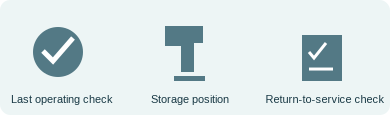
1. Decide how to handle fuel
Use the model-specific storage schedule. Identify which tanks, lines and carburetor bowls need draining or approved treatment. Adding stabilizer to stale gasoline cannot restore it. Collect drained fuel ashore.
2. Prepare and position the motor
Follow the maker’s flushing, cooling-water drainage, lubrication and corrosion-control steps. A flushing attachment may be intended for engine-off use only. For a four-stroke portable, check permitted carrying and resting sides to avoid oil migration.
3. Bring the motor back into use
Inspect for leaks, damaged hoses and animal debris. Restore all plugs and connections identified on the layup record. Check fluids, fit the required cooling supply and start outdoors according to the manual. Observe cooling and alarms before returning to the tender.
Workshop question
Why leave a tag on a disconnected fuel hose?
Check your answer
The tag gives the next operator a specific item to restore and inspect before attempting the first start.
Example engine reference · Honda BF4A, BF5D and BF6A owner’s manual. Match the published procedure to your own model and serial range.