Changing outboard lower-unit gear oil
The first few drops from the drain can tell you something the level check cannot. Use this workshop to change the lubricant in a conventional bottom-fill gearcase and capture signs of water or gear wear while the evidence is still in the pan.
1. Identify the gearcase and its plugs
Read the model and serial plate, then open the gearcase lubrication section of the matching manual. Find the drain/fill plug and every vent or level plug on its drawing. Some housings have more than one vent or a nearby shift-retaining screw. If the screw locations differ from the drawing, resolve the identification before loosening anything.
2. Set up the job ashore
Secure the motor on its boat or a rated stand, disable starting and position it as specified for draining. Set a catch pan underneath. Gather the specified marine gear lubricant, correct pump adapter, replacement plug seals and the driver that fits the plugs fully. Confirm that the vent plug can be loosened before emptying the case.
3. Drain into a clean pan
Open the plugs in the sequence given for the engine. Watch the first liquid to emerge from the lower opening and catch a little in a clear container. Water can settle below the oil while the motor stands. Let the case drain and preserve a sample if you find an unusual color or debris. Inspect the magnetic plug if fitted before wiping it clean.
4. Read the sample
Look for separate water droplets, a creamy emulsion or distinct metal chips. A small smear of fine material on a magnetic plug is different from sharp flakes. Milky oil can indicate water ingress, but its appearance cannot identify the leaking seal. Photograph unusual findings and arrange gearcase inspection before returning the motor to service.
5. Refill from the designated opening
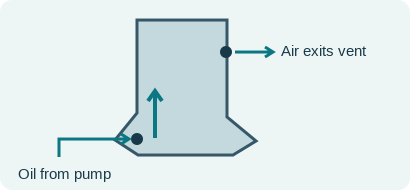
On a conventional bottom-fill gearcase, place the motor in its specified filling position and connect the lubricant pump to the lower port. Pump slowly until lubricant reaches the prescribed level opening in the condition specified by the maker. On multi-vent cases follow the manual’s vent sequence. Capacity is useful for buying oil and spotting discrepancies. Use the specified level check to establish the final fill.
6. Seal the plugs and document the job
For the common two-plug bottom-fill arrangement, install the upper plug with its specified new seal while the pump remains attached. Have the lower plug and new seal ready, remove the adapter and promptly fit the plug. Tighten each to its published torque. Clean the housing, check for fresh seepage and deliver used oil to a collection facility. Record the date, engine hours, lubricant and drain observations.
Workshop example
A tender motor sat upright overnight. Clear droplets came out before the dark oil, and the owner found fishing line around the propeller shaft. What would you record?
Compare your assessment
Save the first-drain sample, photograph the line and record how the motor was stored. Ask the shop to inspect the shaft seal area and test the gearcase for leaks. Line at the propeller is a clue. The sample alone cannot establish which seal admitted water.
Example manufacturer procedure and plug drawings appear under Gearcase Lubrication in the Mercury 150 FourStroke owner’s manual.